Your Child as the Hero: Benefits of a personalised bedtime book
Your Child as the Hero: Benefits of a personalised bedtime book
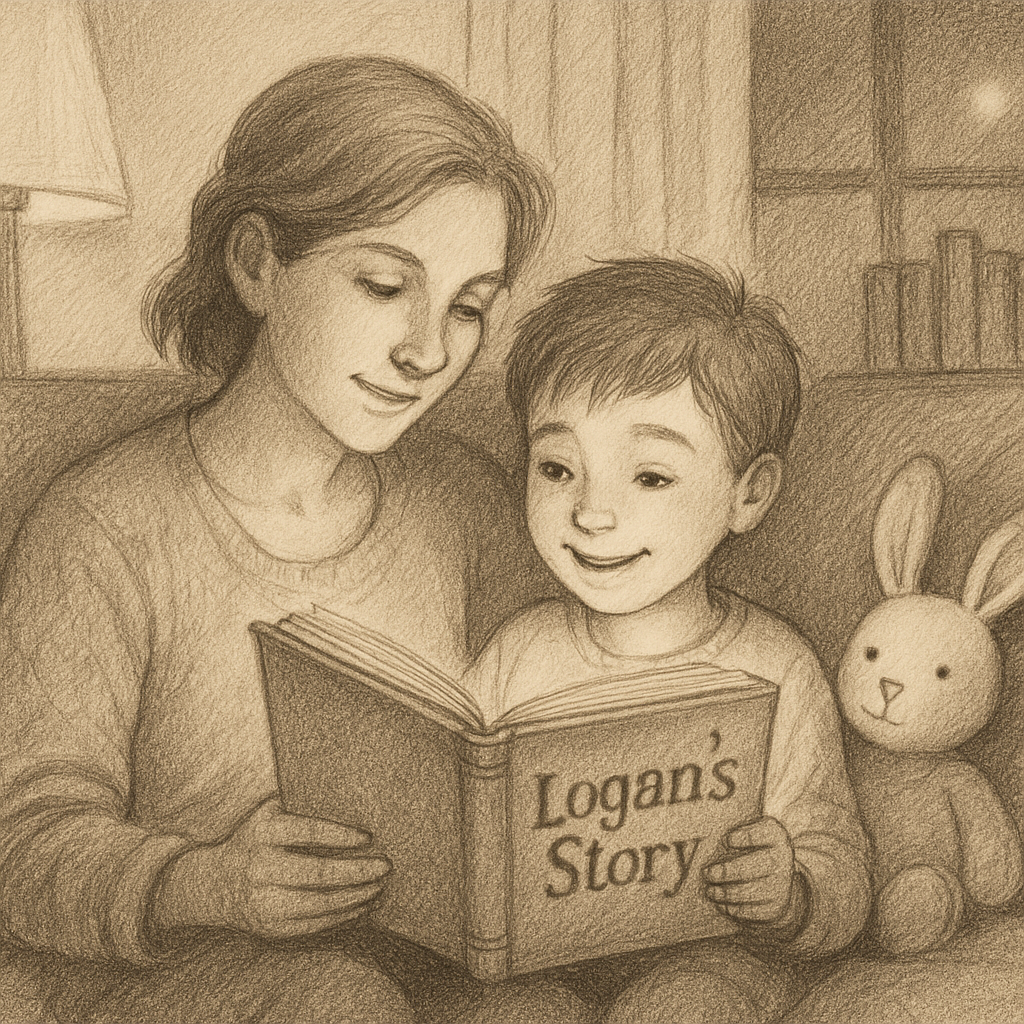
I’ve watched hundreds of families wind down at night, and I’ve learned one simple truth: when kids see themselves as the hero, bedtime becomes something to look forward to, not a battle to survive. A personalised bedtime book puts your child at the center of the story, weaving their strengths, interests, and little quirks into adventures that feel real. It’s not about vanity or sugar-coating; it’s about nurturing a sense of competence, belonging, and curiosity just before sleep.
In our house, we’ve tried lots of routines, but the moment I added a personalised bedtime book, our little one began asking for the story by name. That sense of agency matters. It taps into a growing body of research showing that children benefit from literacy experiences that feel relevant and enjoyable. And yes, it’s emotionally soothing after a long day. You’re not alone if you’re skeptical—I’ve been there too. The first time I watched a child light up because a character spoke their favorite name, I knew we’d found something special.
What makes a personalised bedtime book powerful?
- The child becomes the lead character. When the hero looks like your kid and talks like your kid, the narrative feels personal in a way standard stories don’t.
- The plot can reflect your family’s values. You can echo kindness, perseverance, or curiosity in the tale, which reinforces important lessons without nagging.
- It grows with your child. As interests shift—from dinosaurs to space, or from shy to bold—stories can adapt to match those evolving passions.
- It’s a team effort. Reading together builds vocabulary and mental imagery, and the shared ritual reduces bedtime resistance.
From a developmental standpoint, personalization supports executive function—planning, sequencing, and flexible thinking—because kids see how their choices influence the story. They’re not just passive readers; they become co-authors of their own narratives, even if only in their imaginations at first.
How to get started with a personalised bedtime book
- Pick a focus that feels true to your child. Is your kiddo brave, curious, funny, or a little cautious? Name those traits in the hero and weave them into challenges the character overcomes.
- Use your child’s real-world interests. If they love animals, sports, or space, make those elements central to the quest. Familiarity fuels engagement.
- Keep it short and memorable. A 10–15 minute read with a clear arc—beginning, challenge, resolution—is plenty for bedtime. Repetition helps with predictability and comfort.
- Invite participation. Pause to ask, “What would you do next?” or “Which tool should the hero use?” This turns reading into an interactive experience.
- End with a deliberate, reassuring cue. A gentle wrap-up that reinforces safety, warmth, and connection helps sleep settle smoothly.
If you’re new to this, don’t stress about producing the perfect narrative every night. The real magic is consistency. A predictable sequence—question, moment of agency, calm closing—creates a reliable rhythm your child’s nervous system can anticipate, which supports sleep.
Real-world tweaks that make a difference
- Use the hero’s name in the story title. It personalizes instantly and gives your child a sense of ownership.
- Mirror bedtime routines in the story. If you dim lights, add a scene where stars twinkle as the hero reads a map; it reinforces real-life cues.
- Keep sensory details gentle. Soft sounds, cozy textures, and calm settings cue the brain to wind down, which helps transition to sleep.
- Allow a short post-story ritual. A quiet cuddle or a minute of breath together helps consolidate the calming effect of the tale.
In practice, the best personalised bedtime book blends fantasy with familiar routines. It’s not a replacement for your warmth and presence; it’s a bridge between imagination and security.
How this approach supports emotional development
Stories where the child is the hero invite perspective-taking and self-efficacy. When your child sees themselves solving problems, they learn to regulate emotions and persist through challenges. This confidence spills over into daytime moments—trying new foods, making friends, or attempting a tricky puzzle. The bedtime wrap-up also provides a predictable emotional reset, which research associates with better sleep quality and daytime attention.
I’ve seen families report calmer evenings after introducing a personalised bedtime book. The child looks forward to the ritual, and parents report fewer power struggles at the end of the day. It’s not a magic cure-all, but it’s a small, reliable tool that respects your child as an active participant in their own stories.
When to consider different formats
- Short chaptered books for kids who love a longer arc but still need wind-down time.
- A single-page story for nights when you’re late or exhausted.
- A blank-template option that your child can personalize themselves with drawings or notes.
If you’re weighing options, try a mix for a couple of weeks and observe what shifts in mood and engagement. Some families also enjoy combining a personalised bedtime book with a light, screen-free activity afterward—like a quiet puzzle or a sensory bag—to cap the day with calm.
Quick tips for busy evenings
- Have a predictable spot for reading—so your child associates that place with safety and rest.
- Prepare any props earlier in the day to avoid last-minute fuss.
- Keep a small collection of favourite phrases to reuse in different stories so your child hears familiar language.
- If a story doesn’t land one night, shift to a shorter version or a different adventure. Flexibility matters more than sticking to a rigid plan.
A final thought from me, Dr. Elena Vance
If you’re juggling countless bedtime details, remember this: you’re the expert on your child, and a personalised bedtime book can be a gentle, effective tool to anchor bedtime in warmth and wonder. It’s not about adding more tasks; it’s about weaving a moment of mastery and closeness into the day’s end. You’re already doing beautifully, even on nights that feel rough. Little ones thrive with steadiness, and a hero’s journey tailored to their world can be the spark that makes bedtime feel like a celebration, not a struggle.
If you ever want to explore options that fit your family’s rhythm, I’m here to help talk through ideas that feel doable today. You’ve got this—and your child’s next big adventure can begin with just a single, special page.
Quick Summary
- Personalised bedtime books center your child as the hero, boosting engagement and self-efficacy.
- Tailor stories to your child’s interests and strengths for meaningful learning and calmer nights.
- Use simple routines, invite participation, and close with a comforting ritual to support sleep.
- Flexibility and warmth beat perfection; the goal is connection and consistency.
FAQ (People Also Ask)
- How does a personalised bedtime book help my child sleep better? It creates a predictable, comforting routine and strengthens emotional regulation.
- What should I include in a personalised story? Focus on the child’s name, interests, strengths, and a gentle challenge with a positive resolution.
- How long should a bedtime story be? About 10–15 minutes is typically ideal for most ages, but adjust to your child’s attention span.
- Can I mix digital and physical formats? Yes—hybrid options can work, as long as the story remains calming and bound to a bedtime routine.
Age-Specific Variations (Brief)
- Ages 3-5: Short, simple arcs with clear goals and a gentle ending.
- Ages 6-8: Slightly longer adventures with more problem-solving and choices for the hero.
- Ages 9-12: Playful meta-narratives or light mysteries that still center the child’s agency.
Quick Reference / Cheat Sheet
- Choose a relatable hero name and core trait.
- Tie the plot to real routines and values.
- Keep chapter length and sessions age-appropriate.
- Close with a soothing cue (breathing, cuddle, or a hug).
Personal Story / Case Study
A mom I know started using a personalised bedtime book for her 5-year-old after a phase of nightly resistance. They chose a hero named “Mia” who loved animals. The story began with Mia finding a lost puppy in the forest and teaching it to stay calm while navigating a small obstacle. Within a week, bedtime became a cooperative, shared adventure. The child looked forward to the next night and began describing the story in her own words during the day, which surprised even the mom. It wasn’t a miracle cure, but the routine felt like a small victory they could celebrate together.