Very Short Bedtime Stories: Micro-Stories, Macro Impact for Little Sleepy Heads
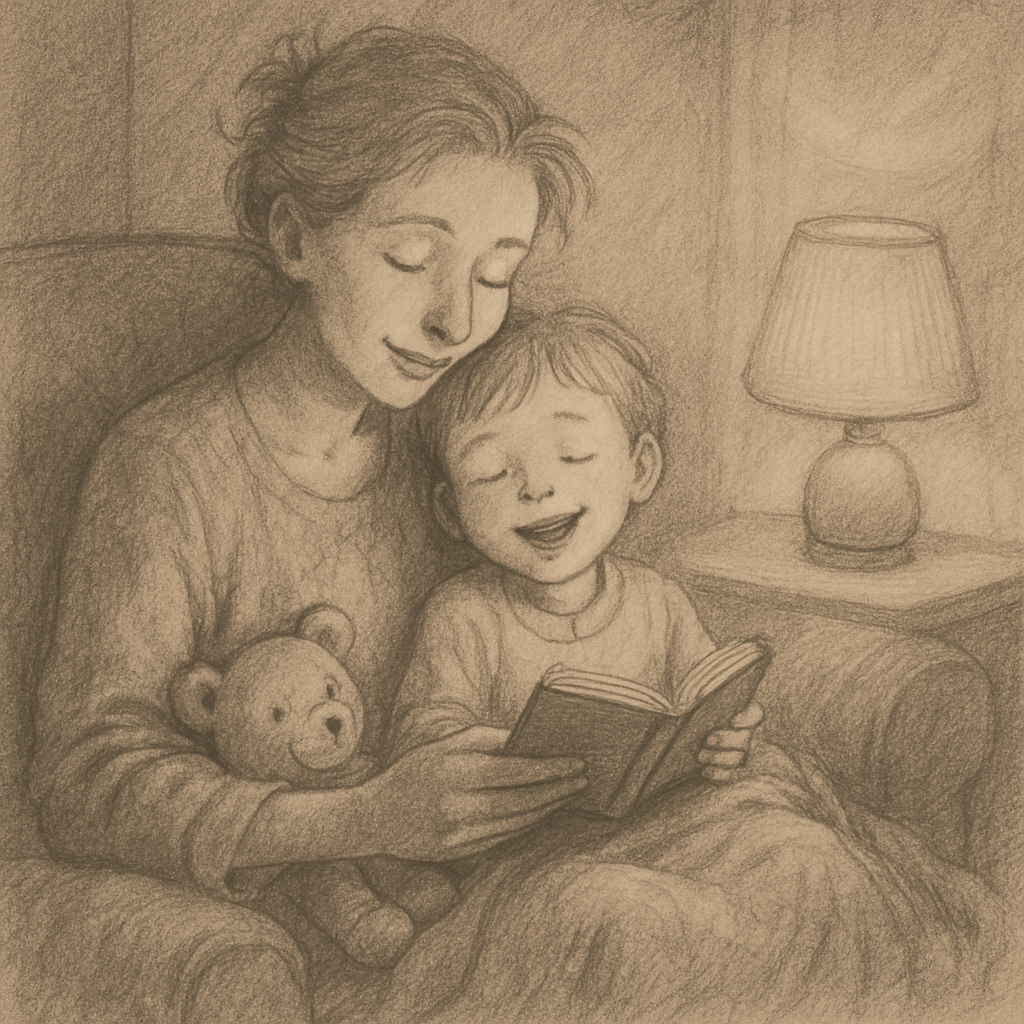
Quick Take: why tiny tales matter
I’ve seen it in clinic and at my kitchen table: a few sentences, whispered at the end of a long day, can set a child up for calmer sleep and kinder brains the next day. Micro-stories—tiny, targeted bedtime tales—offer a bridge between a hectic day and a restorative night. You don’t need long chapters or perfect prose to spark curiosity, regulate emotion, and foster resilience. In fact, the brevity can be a superpower, especially for kids who balk at longer books or who are physiology-tired after a busy day. Here’s how to lean into the power of very short bedtime stories without adding stress to your routine.
What makes a micro-story effective? (Concise, evidence-informed truths)
-
Very short bedtime stories work because they cue the brain for winding down. Short narratives signal the nervous system to switch modes from high alert to calm, which supports both sleep onset and emotional regulation. Research in developmental psychology emphasizes predictable routines and concise language as helpful for young children’s sleep patterns.
-
A clear, doable arc matters. Even in a tiny tale, a single problem, a simple action, and a soft consequence help children practice coping skills in real time. Think: a boy learns to take one deep breath, then shares a toy, then drifts to sleep.
-
Emotion coaching in few lines. A one-sentence moment of empathy (“I see you’re frustrated—let’s try a tiny step together”) can be more impactful than pages of instructions. We’re aiming for connection, not perfection.
-
Consistency beats grandeur. A consistent length and predictable rhythm become familiar cues. Your child begins to anticipate the story, feels safe, and relaxes into sleep more readily.
Step-by-step: building your micro-story routine
-
Set a calm frame. Choose a quiet, cozy spot and a predictable time. A consistent setting helps the brain pair story time with rest.
-
Limit to a single moment of learning. Pick one emotion or one small skill per night—breathing, sharing, choosing a snack, or saying goodnight to a toy. This keeps the tale tight and memorable.
-
Keep it 2–4 sentences. No need to spin a long tale. Short sentences with one clear outcome keep language accessible and engaging.
-
End with a soft return-to-sleep cue. A brief reminder like, “The little one knows sleep helps tomorrow be bright,” can nourish a sense of closure.
-
Invite a tiny reflection. A quick question helps process the day: “What was the bravest thing you did tonight?” This reinforces insight without turning bedtime into a creative-writing audition.
How to tailor micro-stories to your child’s age and mood
-
Toddlers (2–4 years). Focus on sensory details and simple actions. Example: a tiny bear finds a cozy blanket, closes its eyes, and dreams about a gentle rain.
-
Preschoolers (4–6 years). Add a small social skill. Example: a fox shares a ball with a friend, then yawns and hugs a pillow.
-
Early elementary (6–8 years). Introduce a problem-solving thread. Example: a kitten misplaces a sock, searches with a friend, learns to ask for help, then sleeps with the sock found.
-
What to do on tough nights. If your child is anxious or restless, keep it factual and reassuring. Short lines that normalize feelings (“It’s okay to feel worried. Let’s breathe together for four counts and try again.”) can help.
Quick strategies you can start tonight
-
Use a single, comforting theme. For example, “courage through small steps,” or “kindness as a nighttime habit.”
-
Involve your child in the storytelling. Let them choose the main character or the soft resolution. Ownership increases engagement and peace.
-
Rotate a tiny cast. A fox, a bear, a bird—familiar characters with a predictable voice help kids anticipate. Avoid overloading with too many personalities.
-
Pair with a sensory cue. A warm lamp, a gentle blanket, a familiar scent can reinforce the calm of story time.
Where micro-stories shine beyond bedtime
Small tales aren’t just about sleep. They teach emotional vocabulary, model self-regulation, and build narrative sense—skills that pay off during daytime challenges too. When a child can label feelings and try a small step, the day feels a bit safer and the night a bit brighter.
StoryGarden: a gentle companion for busy parents
Some families find apps like StoryGarden helpful for organizing tiny tales. If you’re short on ideas or want a customizable starting point, a personalized story library can offer bite-sized prompts without replacing your unique family voice. It’s a tool, not a rule, and it should fit your pace and style.
Quick recap: micro-stories, macro impact
- Tiny tales can signal wind-down, support emotion regulation, and strengthen the parent–child connection.
- Keep it brief, predictable, and purposeful.
- Use one core moment per night and end with a gentle cue for sleep.
- Tailor the tale to your child’s age and mood, then adjust as needed.
Frequently asked questions
-
What makes a micro-story effective for sleep?
- Short length, a clear emotional arc, and a calm, predictable wrap-up help the brain transition to rest.
-
How long should I tell a micro-story?
- Aim for 2–4 sentences, enough to convey one simple action or emotion.
-
Can I use humor in micro-stories?
- Light humor is fine if it doesn’t disrupt the calming bedtime frame. A gentle smile at the end can be a cue for sleep.
-
Should I let my child contribute to the story?
- Yes. A sense of ownership boosts engagement and reduces bedtime resistance.
A personal moment from my practice
I remember one family with a spirited 5-year-old who resisted wind-down every night. We started with a two-sentence story about a fox who practiced three slow breaths before sleep. After a week, that tiny ritual became the bridge between day and night. The fox’s breath became his own quiet rhythm, and sleep came easier. It wasn’t magic—just a simple, reliable pattern that honored the child’s energy while honoring the parents’ need for calm.
Final encouragement
You’re shaping your child’s future with tiny, steady acts. Micro-stories aren’t about perfect prose; they’re about connection, predictability, and warmth. If tonight feels rough, that’s okay—tomorrow offers another small moment to try again. We’re in this together, one short tale at a time.