Togetherness Through Storytime Bedtime: Nurturing Bonds with Storytime Bedtime
Storytime Bedtime: A Gentle Path to Togetherness
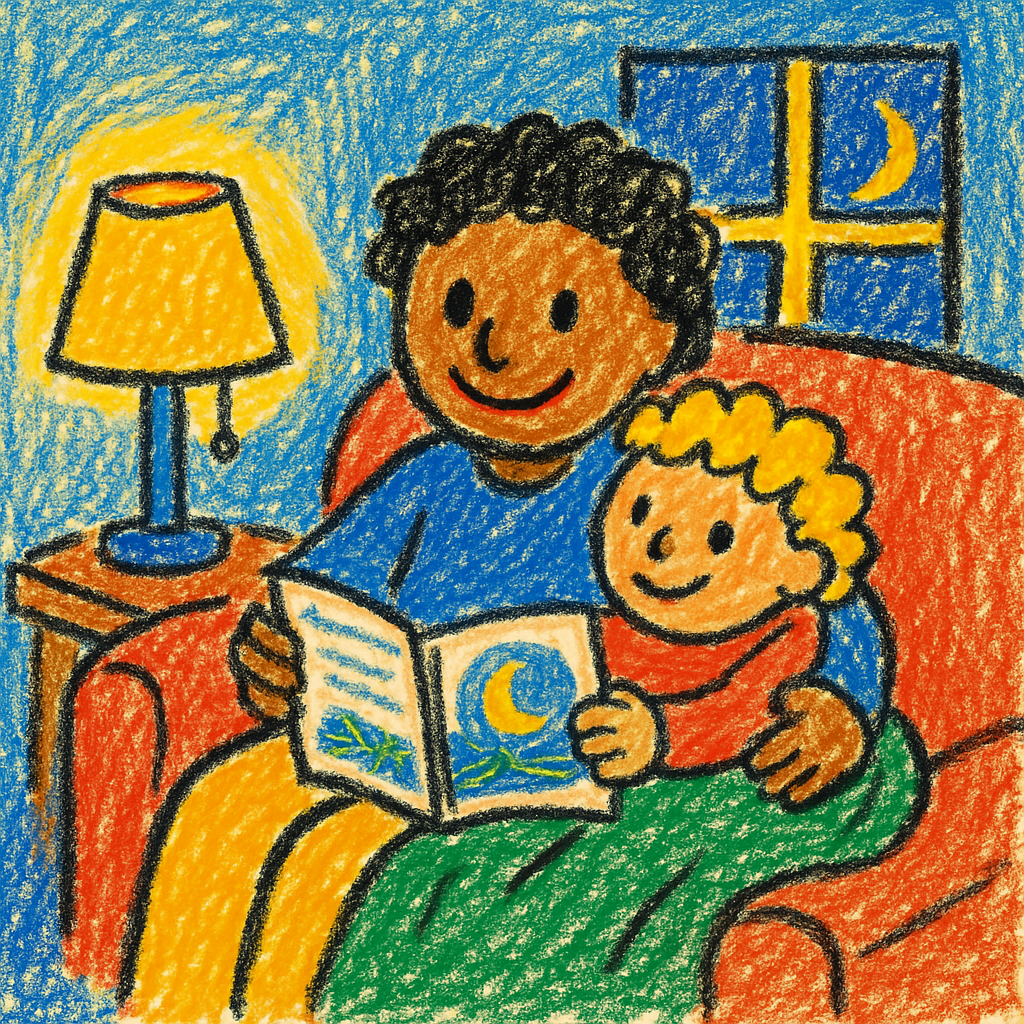
I remember the first night I tried a simple, shared ritual with my daughter. We sat on the living room rug, a soft lamp casting warm light, and I opened a story with a quiet, inviting voice. She leaned in, not because I forced the moment, but because the moment felt right. That night began our rhythm of storytime bedtime—a small, consistent act that echoed through our days and shaped our evenings. If you’re juggling work, dinner, bath time, and a million tiny decisions, this ritual can become a reliable anchor for connection. Storytime bedtime isn’t about finishing a book; it’s about slowing down together and listening to each other’s quiet needs.
Why storytime bedtime matters
Two things often get crowded out by the hustle: closeness and calm. When we share a story, we invite both. The storyline doesn’t have to be long or complex to be meaningful; what matters is the chance to be near each other, to notice tiny cues from our kiddo, and to respond with warmth. Research in child development highlights that consistent bedtime routines support sleep security, emotional regulation, and trusted parent-child relationships. In practical terms, that means fewer bedtime battles and more cooperative, cooperative moments that ease transitions.
Quick takeaways
- A predictable sequence helps children anticipate what comes next, reducing anxiety.
- Joint storytelling fosters language development and emotional understanding.
- Gentle, collaborative storytelling can reduce bedtime resistance and create mutual calm.
Building a cozy routine: steps to implement
1) Set a gentle cadence
Direct, predictable timing matters. Pick a window 20–30 minutes before lights out. Consistency builds security. It’s okay if your schedule shifts now and then; the goal is reliability, not perfection. I’ve learned that small adjustments—like moving the ritual from a chaotic kitchen to a quiet corner—significantly improve how your child perceives bedtime.
2) Create a storytime environment
The setting matters as much as the story. A soft lamp, a comfy blanket, and a chair that fits both of you can transform a paragraph into a moment of closeness. If your child is wound up, try a shorter selection and sit closer, offering a gentle touch on the shoulder or knee. When the space feels safe, the words land differently and your little one feels seen.
3) Choose stories that invite dialogue
Stories that leave room for questions invite back-and-forth dialogue. I like choosing tales with emotions that tie to daily life—feelings your child has experienced that day. Pause at emotional beats and ask simple questions: “What would you do if you were the hero in this scene?” Not every moment needs a fancy answer; sometimes the best response is a warm nod and a smile.
4) Use rhythm and voice as tools
Vary your tone, pace, and volume. A slow, steady voice helps their nervous system calm. A playful character voice can spark laughter, creating positive associations with the routine. The goal is musicality—making storytime bedtime something your child looks forward to because it feels good in the body and the mood it creates.
5) Adapt as your child grows
Infants might focus on rhythm, scents, and touch; toddlers may enjoy interactive prompts; older kids often want more complex plots or ongoing threads. Treat storytime bedtime as a living ritual that shifts with their development. When resistance appears, scale back to a shorter segment or switch to a favorite, comforting book before bed.
Problem-solving moments you’ll likely encounter
Common snag: child resists turning out the light
Answer: Offer a final, short ritual that signals winding down—like a two-minute story and a “goodnight” with a light hug. The idea is to transform the turn-off from a fade to a gentle transition.
Common snag: bedtime tales feel repetitive
Answer: Rotate a small set of favorite stories and introduce a new one occasionally. The element of novelty, even within a familiar routine, keeps the ritual engaging without escalating stress.
Common snag: mom or dad feels tired
Answer: Use shared duties—one person reads while the other offers a soothing presence. If energy is truly low, consider a short, high-quality, short-form story with a predictable rhythm. The goal is connection, not performance.
Real-world example: a week of storytime bedtime
On Monday, a two-page tale about a tiny explorer helped my 4-year-old unwind after a chaotic day. By Wednesday, we swapped to a longer interactive story—my child asked questions, and we paused to reflect on characters’ feelings. By Friday, our routine had become a quiet, almost ritual-like moment of closeness. It wasn’t about perfect pages; it was about being together, breathing, and listening.
I share this not as a perfect blueprint but as a reminder: connection grows from small, consistent acts. When we show up with curiosity and warmth, our kids learn to trust the moments we share—and we learn to trust our own instincts as parents.
Checking in with your family values
Togetherness through storytime bedtime isn’t a one-size-fits-all solution. It respects differences in culture, language, and temperament. Some families thrive with longer, more elaborate storytelling; others prefer brief, daily checks-in through simple stories or even a shared picture book after a bath. The point is not the length of the tale but the presence you offer one another.
A note on tools: some parents find apps that tailor stories to your child’s age helpful for sparking creativity or giving you a quick, cue-based option on especially tired nights. If you ever try something like StoryGarden, look for natural alignment with your routine rather than a forced fit. The best tech augments your connection, not replaces it.
Quick summary
- Storytime bedtime builds a reliable nightly bond between caregiver and child.
- A calm, comfortable environment plus short, emotionally resonant stories support sleep and emotion regulation.
- Adapt the routine to your child’s age and needs; the best ritual is the one you both look forward to.
Quick reference: a simple 4-step routine
- Dim the lights and settle in a cozy spot
- Choose a short, emotionally resonant story
- Read slowly, pausing for questions and reflections
- End with a simple goodbye and a gentle hug
FAQ: People Also Ask about storytime bedtime
- What is storytime bedtime best for my family? It’s a dependable, soothing ritual that supports emotional regulation and sleep.
- How long should storytime bedtime last? Aim for 5–15 minutes, adjusting to your child’s mood and attention.
- What if my child won’t go to bed after the story? Keep your tone calm, offer a quick wind-down cue, and revisit the routine with a shorter story the next night.
Age-specific variations
- Infants: focus on rhythm, breathing, and gentle touch.
- Toddlers: invite participation with questions and simple choices.
- Preschoolers: longer stories with evolving plots can captivate attention.
- Early school-age: you can introduce ongoing story threads and longer, more complex tales.
Final encouragement
You’re doing important work each evening. That little shared moment—left and right hands held, a soft voice, a careful pause—teaches your child that closeness, safety, and curiosity live in this family. It won’t fix every night, but it will steadily deepen your connection. You’ve got this, and your child is listening even when they’re quiet about it.
Note: If you ever want a gentle nudge or fresh ideas, I’m here, asking questions with you, not at you. We’re in this together, one story at a time.