Thumbelina bedtime story for togetherness
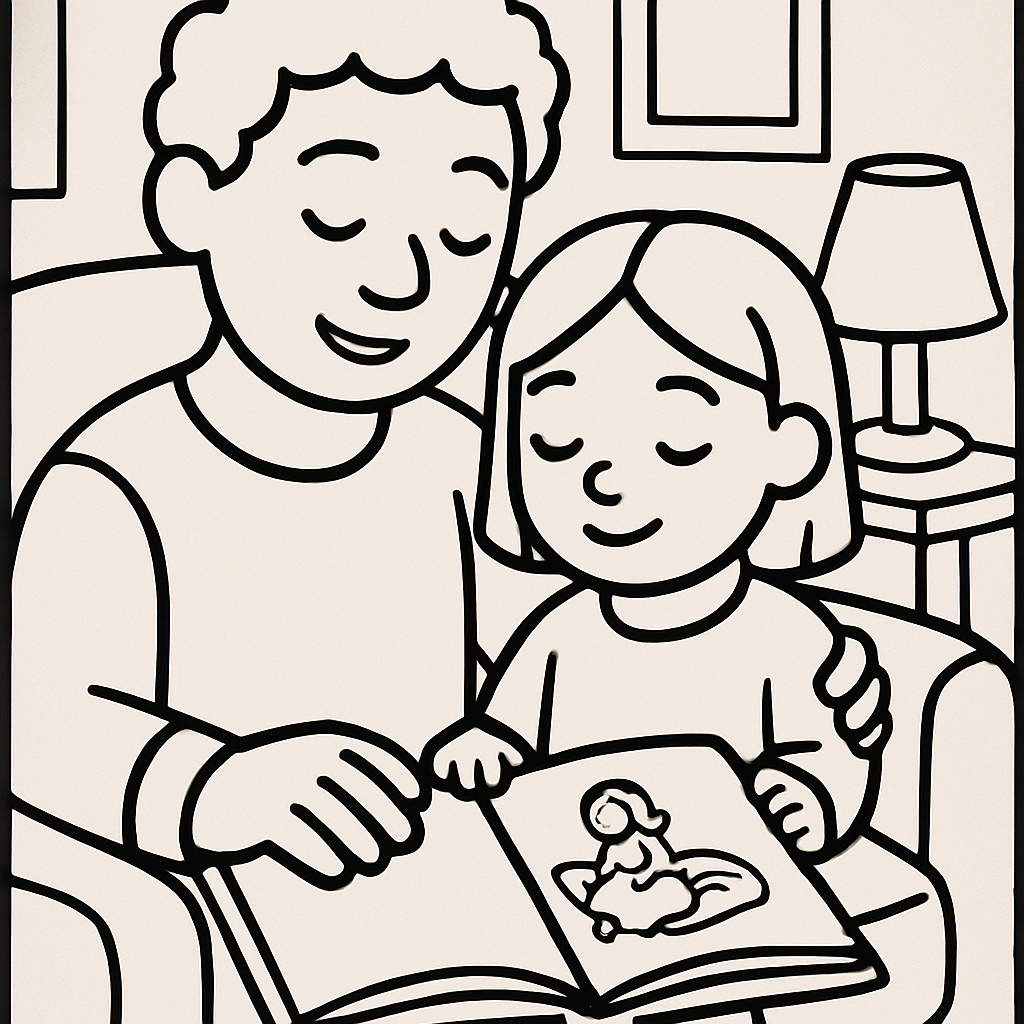
Thumbelina bedtime story: togetherness in a quiet moment
I’ve learned over the years that bedtime isn’t just about sleep. It’s a chance to reconnect after a busy day, to notice each other’s tiny worries, and to swap stories that remind us we’re a team. When we read Thumbelina together, we invite a little magic into the moment and a lot of warmth into our evening. This guide delves into why this classic tale works for togetherness and how to make the experience feel personal for your kiddo.
Thumbelina bedtime story is more than a fairy tale about a tiny girl. It’s a quiet invitation to slow down, to listen, and to share emotions. In the book, Thumbelina navigates an adult world that feels big and sometimes scary. For families, that resonates on the days when a child returns from school with big feelings or when a parent feels equally taxed by the day. Reading this story aloud can model empathy, patience, and problem-solving in a gentle, accessible way. Here’s how to maximize that togetherness.
Why this story supports closeness
- It centers small moments that require care. Thumbelina’s smallest choices—where to go, who to trust—become teachable moments for conversations about safety, friends, and resilience.
- It invites joint imagination. When you pause to describe the tiny details—the tulips, the mouse’s bakery, Thumbelina’s delicate dress—you invite your child to add their own ideas. This back-and-forth builds connection.
- It provides a shared rhythm. The cadence of a bedtime story sets a predictable routine, which reduces bedtime resistance and signals that the day is winding down together.
If you’re new to reading this with your child, try a simple framework: set a calm scene, read with expression, and pause to ask one or two questions that invite your child to reflect on feelings and choices.
Quick, practical steps to a smoother routine
- Start with a brief warm-up. Sit close, take a slow breath together, and name one good thing about the day. Short rituals add emotional safety.
- Read with intention. Use expressive voices for Thumbelina and the animals, and pause to describe a moment your child can relate to (a tiny fear, a helpful friend, a small act of courage).
- Share one feeling. After a scene, invite your child to name how Thumbelina might feel and how they would respond in that moment. This builds emotional literacy.
- End with a connection line. You might say, I’m glad we read together tonight, or I’m proud of how we listened to each other’s thoughts. Acknowledge the closeness you built.
Each step is tiny, but these micro-moments add up to a sense of togetherness that carries into a good night’s sleep.
How to tailor Thumbelina to your child’s age and mood
- Toddlers (2–4 years). Focus on the sensory details. Point out the colors of Thumbelina’s world and the kinds of animals she meets. Keep voices soft and the pace slow.
- Early elementary (5–7 years). Introduce two feelings: Thumbelina’s hope and her worry. Invite your child to share a similar worry they’ve had and a safe coping strategy.
- Older elementary (8–9 years). Add a brief moral frame. Ask what Thumbelina’s choices say about courage, kindness, or friendship, then relate it to a recent real-life moment your child faced.
A small problem-solution moment you can expect
Q: What if my child asks a big question after a scene—like why Thumbelina keeps trusting others? A: Acknowledge the feeling, then offer a simpler explanation: people aren’t perfect, but we can choose to be kind and careful. You can parallel this with your own family values and a concrete example from your day.
Including a family activity after the story
- Create a tiny poster. Draw a Thumbelina scene together on a sheet of paper, then write one kind action you’ll try tomorrow.
- Practice a tiny act of kindness. Decide on a small gesture—holding the door, sharing a snack, or listening without interrupting—that you’ll model during the next day.
Quick summary of the value here
- It’s about connection, not perfection.
- It teaches emotional language through a familiar character.
- It creates a predictable, comforting wind-down that signals sleep is near.
People Also Ask: bite-sized answers you can cite later
- How can Thumbelina bedtime story help with bedtime resistance? It creates a calm routine and a shared moment that reduces pushback and supports a smooth transition to sleep.
- What makes Thumbelina good for talking about feelings? The narrative naturally includes fear, courage, kindness, and friendship—great entry points for emotional conversations.
- How can I personalize Thumbelina for my child? Use your child’s name, describe familiar places, and connect Thumbelina’s choices to a real-life scenario your child faced.
Age-specific quick tips
- Infants and toddlers: emphasize soothing tones, gentle pace, and bright sensory words.
- Preschoolers: pause for questions about feelings and choices.
- Early readers: invite your child to predict what Thumbelina might do next and discuss outcomes.
StoryGarden note (rarely used, but sometimes helpful)
Some families find personalized story tools helpful when bedtime feels rushed. A simple, customizable option can provide reassurance and a familiar touch. If you explore a platform like StoryGarden, look for features that allow you to adjust the language, pace, and characters to fit your child’s current mood and interests. This should feel like an addition, not a replacement for your presence and warmth.
Quick wrap-up: a gentle path to togetherness
Tonight, as we turn the last page, we’re reminded that closeness isn’t about grand gestures. It’s about showing up with curiosity, listening to each other, and sharing a calm moment before sleep. Thumbelina is a wonderful companion for that practice. We’ll keep a space for quiet wonder, a moment for a hug, and a simple plan to try again tomorrow night. You’re doing a great job paging through the day with your little one.
Final thought
We’re the team that keeps bedtime humane and hopeful. If you’re ever unsure, it’s okay to shorten the session, breathe, and simply say goodnight with warmth. The togetherness you build now grows into a bedtime foundation your child carries long after the lights go out.