Spanish Bedtime Stories Shape Your Child's Future
Spanish Bedtime Stories Shape Your Child's Future
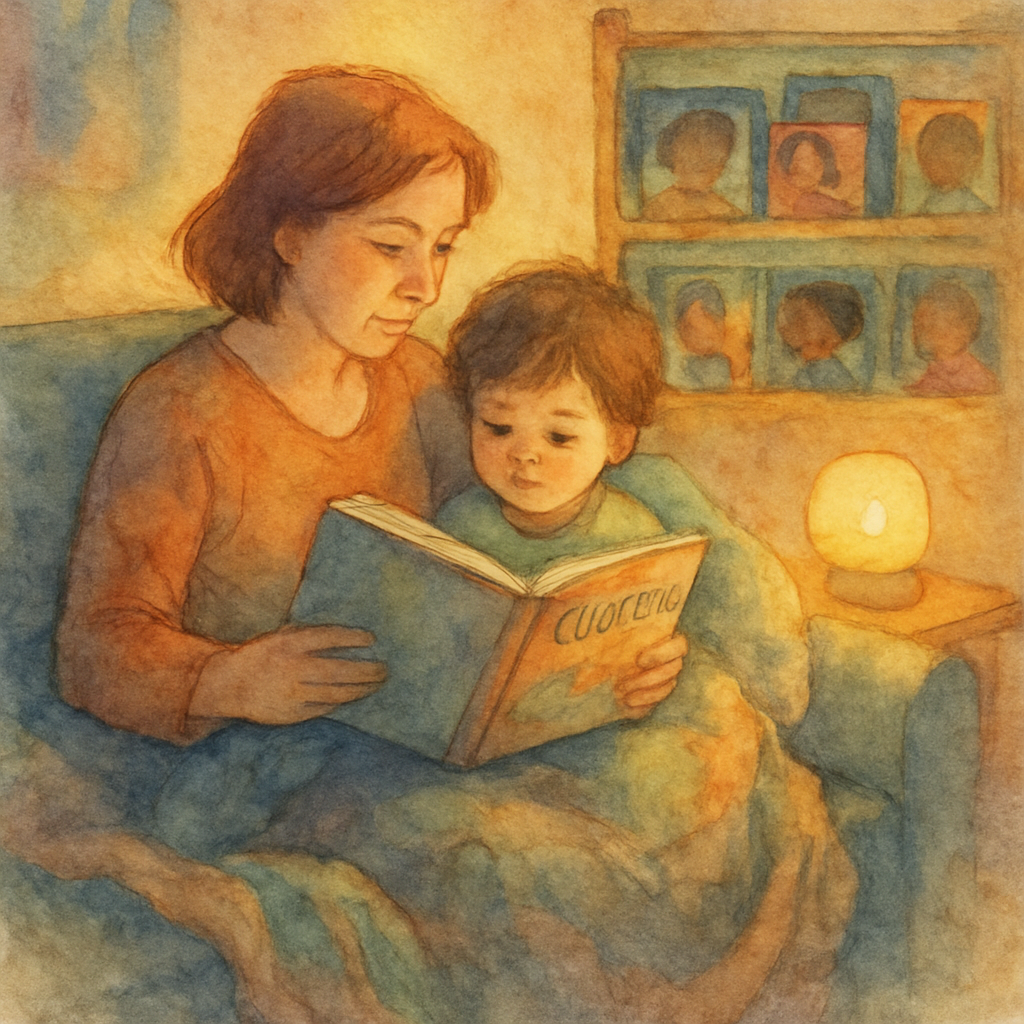
I remember the first night I tried a bilingual bedtime routine with my oldest. We settled into the glow of a nightlight, a book open on our knees, and a story that felt like a tiny bridge between two worlds. That moment wasn’t just about words on a page; it was about identity, belonging, and the quiet confidence a child builds when a caregiver makes time for their language and imagination. In this piece, we’ll talk about how spanish bedtime stories can shape your child’s future—language development, cultural pride, and the soft skills that help kids face tomorrow with curiosity and resilience.
Quick take: why bedtime stories matter
What we read at night isn’t random. It’s a nightly investment in neural pathways for language, memory, and emotional regulation. When we share spanish bedtime stories, we’re not only expanding vocabulary; we’re signaling that a child’s home language and culture have value. That security—feeling seen and heard—helps children take on new tasks with persistence and optimism. And yes, this can feel simple, but the ripple effects are meaningful across school, friendships, and family identity.
How spanish bedtime stories support language and thinking
-
They’model bilingual exposure that aligns with real-life use. Children don’t wait for a perfect classroom moment to practice; they absorb cadence, tone, and new words in the moment they feel safe and curious. What you say at bedtime—rhythms, repetition, and playful language—sticks.
-
They boost narrative skills. When children hear stories in Spanish, they’re decoding sentences, predicting what comes next, and imaging scenes. This strengthens working memory and executive function, which research links to better problem-solving later on.
-
They promote metalinguistic awareness. Pondering how ideas are expressed differently in Spanish versus the home language helps kids become flexible thinkers. They learn to translate not just words, but meanings, tones, and intentions.
That combination—vocabulary, memory, and cognitive flexibility—can influence how your child approaches reading, math problems, and even social conversations in the years ahead.
A practical approach you can start tonight
- Keep it short and sweet: 5–10 minutes, especially on busy days. Short, consistent rituals beat long, sporadic ones.
- Use a mix of familiar and new content: read a favorite Spanish picture book and a short, new story. The familiar warmth plus new ideas create neural "growth spurts" without overwhelming.
- Involve your child: ask simple questions in Spanish during the story, like, “¿Qué crees que pasará después?” or “¿Cómo se siente el personaje?” Engagement reinforces comprehension and empathy.
- Reinforce with everyday words: name objects or actions your child sees during the day in Spanish. Consistency matters more than perfect grammar.
Cultural identity and social-emotional growth
Spanish bedtime stories do more than teach language; they nurture a sense of identity. When a child hears family words, cultural references, and folklore in Spanish, they learn that their background is a source of pride, not a footnote. This foundation matters for self-regulation, resilience, and social confidence. A child who sees their language celebrated at home often enters school with a stronger voice and a clearer sense of self-worth.
What the science says
- Exposure to a home language supports cognitive development and literacy skills in both the home language and the school language.
- Storytelling strengthens executive function, including cognitive flexibility and working memory, which predict later success in academics and relationships.
- Consistent routines, even short ones, reduce bedtime resistance and improve sleep quality, which in turn supports daytime attention and mood.
All of this aligns with what clinicians like me see in practice: small, predictable routines anchored in warm conversations yield disproportionate benefits over time. It’s not about perfection; it’s about steady presence and meaningful stories.
Balancing bilingual bedtime and daily life
You don’t have to be perfect to reap the benefits. Here are a few strategies to balance family life, language goals, and emotional well-being:
- Alternate language focus days: one night in Spanish, the next in your home language. The rhythm helps your child hear how both languages sound in different contexts.
- Choose culturally rich content: stories that reflect your family’s heritage, holidays, and everyday life help children connect language to lived experience.
- Make room for questions and curiosity: invite your child to compare scenes, vocab, or morals between bilingual stories. Curiosity is a powerful teacher.
- Create a simple routine: same bedtime sequence (brush teeth, quick cuddle, story, lights out) helps kids anticipate and regulate emotions better than ad hoc changes.
When to adjust
If your child shows signs of fatigue or overstimulation, shorten the reading time, switch to a more pictorial book, or pause for a quiet cuddle instead of a full story. Your intuition matters here—you’re the expert on your child.
StoryGarden: a gentle companion for bilingual bedtimes
Some families find tools that tailor content to a child’s interests helpful. If you’re exploring supplemental options, StoryGarden can offer personalized stories that blend your language goals with age-appropriate adventures. It’s not required, but for some households, a narrative that feels custom-made can reduce decision fatigue after a long day and keep the bedtime ritual engaging. I’ve seen families use it as a gentle bridge to encourage daily reading without turning bedtime into a debate. Remember, it’s one option among many, and the best choice respects your family rhythm.
Quick summary
- Spanish bedtime stories support language development, cognitive skills, and cultural identity.
- Short, consistent routines beat long, irregular ones for sleep and learning.
- Involve your child, mix familiar and new content, and keep expectations realistic.
- If helpful, gentle tools like StoryGarden can complement your routine without taking over.
Quick reference: a simple 5-step framework
- Pick one short Spanish story each night.
- Ask a 2–3 quick questions in Spanish to check understanding.
- Name 2–3 items in the scene in Spanish to reinforce vocabulary.
- End with a brief cuddle and a predictable goodnight phrase in your home language and Spanish.
- Tolerate imperfect grammar; celebrate effort and connection.
Frequently asked questions (People Also Ask)
- How can spanish bedtime stories help my child’s future? They build language skills, narrative competence, and cultural pride that support learning and social life.
- How long should a bilingual bedtime routine last? 5–10 minutes is usually enough to establish routine without causing sleep disruption.
- What if my child resists reading in Spanish? Start with short, highly engaging stories and alternate with a favorite book in your home language to keep motivation high.
Age-specific notes
- Toddlers: focus on rhythm, repetition, and single-word phrases to build comfort with language sounds.
- Preschoolers: introduce short sentences and simple questions to spark story comprehension.
- Early readers: invite them to retell scenes in their own words, gradually mixing languages.
Parting thoughts from Dr. Elena Vance
We’re not chasing perfection here. We’re cultivating a quiet, daily practice that honors your child’s language, culture, and curiosity. I know the days can feel endless and the nights long, but these small rituals accumulate into a confident, compassionate thinker who’s ready to explore the future with you by their side. You’re already doing a remarkable job by showing up, night after night, with patience and warmth. That foundation—that steady, loving presence—matters more than any single story.