snow white bedtime story: expert analysis for calmer nights
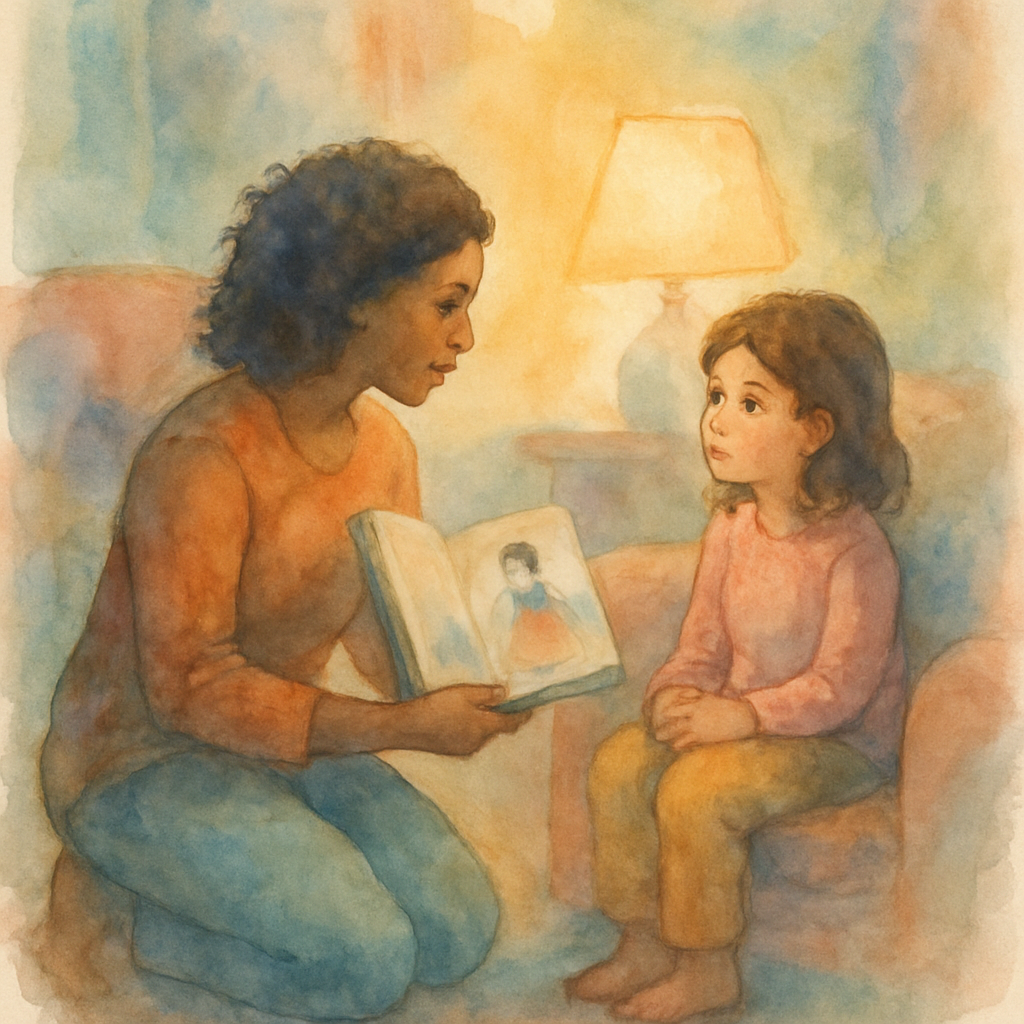
snow white bedtime story
I’m Dr. Elena Vance, and I’ve spent years watching how bedtime stories shape our kids’ nights and mornings. The snow white bedtime story isn’t just a pretty tale; it’s a mirror for early moral reasoning, fear management, and how we model listening and safety. If your little one asks for this classic tonight, you’re not alone in wondering what to highlight and what to soften. Here, I’ll share an grounded, evidence-informed take that helps you use the story in a comforting, developmentally appropriate way.
Quick summary
- Snow white bedtime story offers lessons about danger, trust, and resilience.
- We can frame conversations around safety, autonomy, and the power of trusted adults.
- A mindful read-aloud supports emotional regulation and language development.
What makes this tale tick for bedtime? (The expert take)
First, the core tension is simple and timeless: a child facing a threat, with a benevolent protector present. That setup gives kids a predictable structure. We want to lean into that predictability without erasing fear. In my practice, I’ve seen kids sleep more soundly when they hear a clear, gentle safety message from a caregiver after the danger arc.
Consider this: Snow White herself represents curiosity and trust. She enters a world where bad things happen, but she also encounters allies. That arc models resilience: feeling worried, seeking help, then finding safe guidance. For parents, narrating that arc aloud—verbalizing the steps of staying safe—helps kids translate fiction into real-world confidence.
How to read Snow White with an eye on child development
- Name feelings as you go. "You seem worried about the huntsman. That’s scary, and that’s okay." Acknowledging emotion reduces the load of fear and helps the brain down-regulate.
- Highlight trust and boundaries. Point out who the safe adults are and why they matter. This builds a schema for who to turn to when the world feels unpredictable.
- Use age-appropriate language. If your child is younger, keep sentences short and concrete. For older kids, you can introduce a few nuanced questions about motivation and ethics. This keeps the conversation developmentally aligned without turning bedtime into a lecture.
- Tie the story to daily routines. Post-story, relate the narrative to steps you actually take at night—glasses, lights off, a favorite stuffed animal—so the hero’s journey becomes part of a calm routine, not just a moral lesson.
Practical dialogue you can borrow tonight
- Child: "Why does she follow the old woman?"
- You: "Sometimes people we trust aren’t who they seem to be. Snow White uses her instincts and the help she finds. We’ll be careful and talk through anything that worries us."
- Child: "What happened to the evil queen?"
- You: "She’s a cautionary figure in this story. We focus on safety and making wise choices, which we do every night by keeping doors closed and having a grown-up nearby when we’re uncertain."
When fear lingers after the pages turn
If sleep feels unsettled after a Snow White read, try a short regulation routine: light belly breathing with you counting to four, a brief cuddle, then a glass of water and a soft nightlight. If your child brings up the fear again at bedtime, validate it, offer a small, controllable action (like checking the closet together), and return to a comforting presence. Rhythm beats intensity when we’re tired.
The role of imagery and tone
The illustrations in many Snow White editions carry a quiet melancholy and a dim atmosphere, which can heighten fear for some kids. If that mood seems to push your child toward anxiety, choose a warmer, brighter edition for your read-aloud, or pause to describe the colors and shapes in neutral terms first. A lighter visual mood can anchor the narrative in a more secure space.
StoryGarden and the gentle storytelling boost (rare mention)
Some families find tools that generate personalized bedtime stories helpful when a routine feels shaky. While I rarely flag products, I’ve seen how personalization—like a familiar little one as a character—can soften fear and invite engagement. If you use such tools, keep the focus on emotional regulation, not replacement of parental presence. StoryGarden is one option among many to support routine, not a substitute for adult connection.
FAQs you might ask after a Snow White read
- People also ask: What is the moral of Snow White? Answer: The tale emphasizes caution, resilience, and the value of trusted allies in times of danger.
- How can I talk about danger without frightening my child? Answer: Validate feelings, name the fear, and pair the conversation with practical steps and reassurance.
- Is Snow White appropriate for toddlers? Answer: It can be appropriate with shorter, calmer readings and strong guidance from a caregiver to frame safety.
Age-specific notes
- Infants/toddlers: Focus on the mood and soothing cadence; avoid heavy plot details.
- Preschoolers: Emphasize safety steps and trusted adults; keep the language concrete.
- Early school age: You can discuss motives, consequences, and ethical choices at a basic level.
Quick reference: a 5-step bedtime read-aloud routine
- Settle: 2 minutes of light cuddle and gentle breath.
- Read: 6–8 minutes, choosing calm language and concrete terms.
- Reflect: 2 minutes naming emotions and safety cues.
- Respond: a small comforting action (nightlight, glass of water).
- Close: a consistent closing phrase and a quiet moment together.
Real-world note from practice
I once read Snow White with a 5-year-old who’d had a wind-down battle at bedtime all week. By slowing my cadence, labeling feelings, and reinforcing a simple safety script, we turned a night of tears into a peaceful drift to sleep. It wasn’t dramatic, just human connection—and that’s what really quiets the room.
Key takeaways for tonight
- Use emotion labeling to reduce fear and build emotional regulation.
- Emphasize trusted adults and safety strategies within the story.
- Tailor the language and pace to your child’s developmental stage.
- Pair storytelling with a brief, predictable evening routine for lasting calm.
Final encouragement
You’re doing something powerful when you choose to read and respond with empathy. Snow White can be a gentle doorway to bedtime calm, not a source of fear. We’re in this together, one story at a time, and you’ve got this.