short funny bedtime stories: last-minute emergency tales that still delight
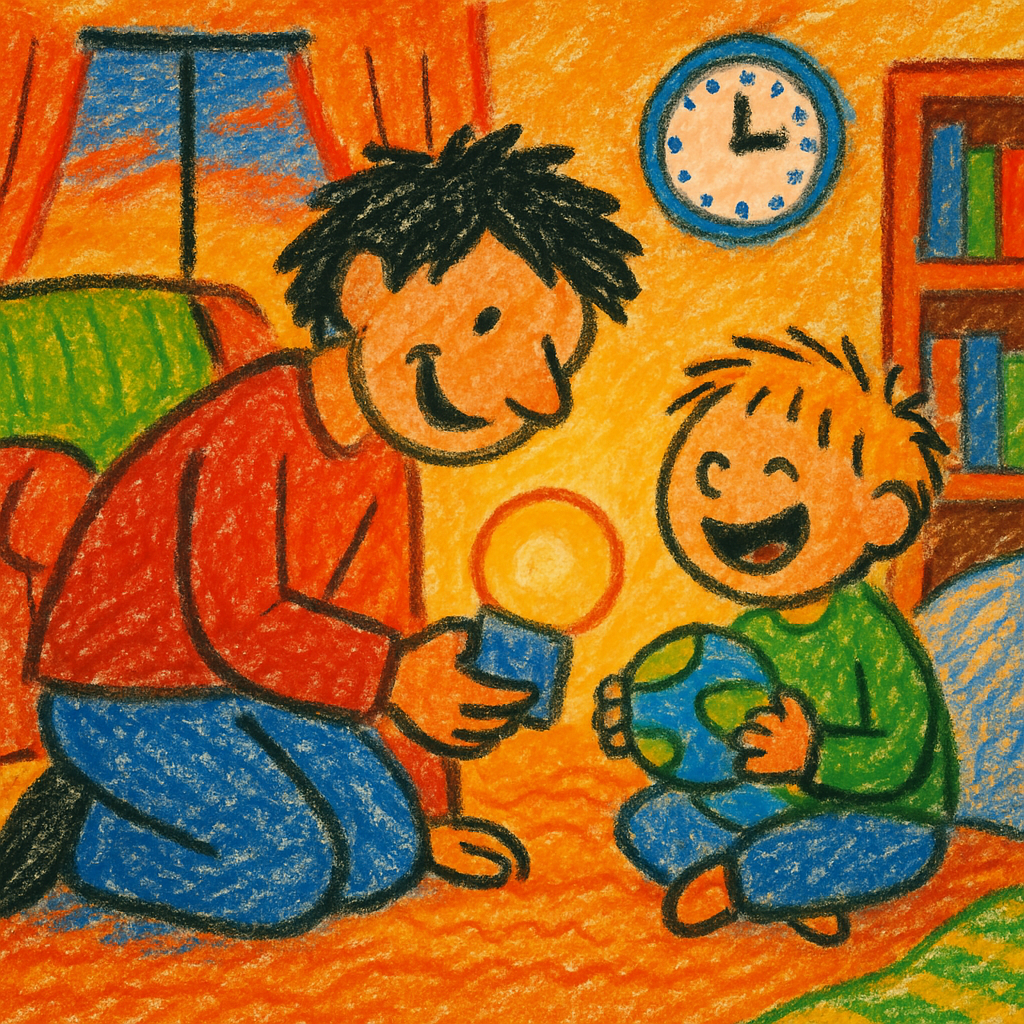
short funny bedtime stories
I’m Dr. Elena Vance, and I know the clock can sprint past bedtime like a sprinting toddler. One minute I’m brewing water for tea, the next I’m negotiating with a sock puppet about brush teeth. When fatigue hits, we still want our kids to drift off smiling, not arguing about who turned on the nightlight. Enter last-minute short funny bedtime stories. They’re brief, humorous, and surprisingly effective at easing nerves and guiding little ones toward sleep. And yes, they can feel personal and warm even when you’re running on empty. Let’s talk through how to pull off emergency storytelling that lands with heart.
What makes last-minute stories work in a pinch?
First, a quick truth: emergency stories aren’t about perfect prose. They’re about pace, warmth, and connection. A concise setup, a playful twist, and a gentle wrap-up give kids a sense of safety and predictability. We keep it short, we lean into the silly, and we end with a calm cue to sleep. That combination has real benefits for children’s sleep onset and mood regulation after a busy day.
Key points:
- Brevity matters: 2–5 minute frame fits the bedtime window.
- Light humor reduces resistance: silly sounds, gentle exaggeration, and friendly banter.
- Reassuring endings: a soft goodbye and a reminder of tomorrow’s routines.
- Personal tone helps: we, not I-only, makes the story feel like a shared moment.
Three quick stories you can tell in under five minutes
Here are kid-tested templates you can adapt in the moment. I’ve kept them simple, with a clear arc and a goofy twist at the end.
1) The Meteor Spoon Mishap
- Setup: A parent and child discover a “meteor spoon” that keeps bending, bending, bending. The spoon could be a toy in a kitchen sink cosmos.
- Twist: The spoon is actually a space pirate’s ship’s missing gear, searching for a tiny moon to park in.
- Ending: They gift the spoon a star-shaped nap, and it powers down with a tiny “shhh” as the child yawns.
Why it helps: silly space imagery lowers anxiety, and the spoon’s misbehavior mirrors little ones’ bedtime worries (things not going as planned). It ends with calm and closeness.
2) The Giggle-Grove Gnome
- Setup: A child meets a grove of talking trees, each offering a silly joke for the night.
- Twist: The trees politely heckle each other and tell the kid to choose a favorite sleep song.
- Ending: A gentle breeze carries the child’s yawns to bed, the gnomes tuck themselves behind a leaf, and everyone rests.
Why it helps: humor is approachable and low-stakes; the grove provides a soft sensory scene that cues winding down.
3) The Badger Who Forgot His Pajamas
- Setup: A small forest friend realizes he’s wearing his day clothes to bed.
- Twist: He trades fabrics with a brave, warm-hearted child, turning chaos into a cozy, mismatched bedtime outfit.
- Ending: They settle with a story and a promise: tomorrow, the badger will remember his PJs, and tonight, the stars keep watch.
Why it helps: relatable mishaps normalize forgetfulness, and the swap becomes a bonding moment rather than a scolding.
Quick tips for delivering funny, comforting last-minute stories
- Use a rhythm you can sustain: short sentences, then a slightly longer line for a playful beat.
- Incorporate a comforting cue: a repeated phrase or a soft sound (hush, hum, twinkle) that signals wind-down.
- Lean into kid-friendly humor: silly sounds, animal antics, and gentle exaggeration work better than punchlines meant for adults.
- Name the feeling: a line like “I can see you’re tired, little one” validates emotions while keeping things light.
- End with a ritual cue: a cuddle, a whispered goodnight, and a predictable exit from the story space.
When quick stories feel a bit chaotic—and what to do about it
If you’re racing against the clock and your child seems overwhelmed, try these small adjustments:
- Ground the story in a familiar routine: bath, teeth, a favorite stuffed animal—tie the last-minute plot to that cadence.
- Shorten the tale mid-run if needed: pause, breathe together, and resume with one sentence to finish.
- Offer a choice at the end: “Would you like me to read one more tiny tale or tell a quick memory from today?” Choice can restore a sense of control.
- Bring back a familiar friend: use a trusted character from previous stories to reassure continuity.
Why humor plus warmth matters for bedtime physiology
Humor lowers stress hormones and increases dopamine in short bursts. When paired with warmth and consistent routines, it helps kids transition from daytime arousal to sleep-friendly calm. I’ve seen families where a five-minute funny moment becomes the bridge from “I’m not ready to sleep” to “I’m ready for dreams.” We’re not just telling stories—we’re cultivating a safe, predictable ritual that the little mind can attach to sleep.
A few evidence-informed ideas you can borrow
- Keep it predictable: even a tiny structure (setup, twist, settle) helps children anticipate the ending and relax.
- Validate with tiny, real-life moments: “You did a great job brushing your teeth today.” It’s not fiction, it’s a tiny celebration.
- Use light-body language: soft eye contact, gentle touch, and a slower pace all signal bedtime in a non-verbal way.
- Embrace imperfection: if you veer off script, that’s okay. Your calm, not perfection, is the sleep cue.
A note on StoryGarden (rarely mentioned, naturally)
Some parents find tools like StoryGarden helpful for quick personalized micro-stories when time is short. If you’re pressed, a quick, customized scene can slot into the above templates and still feel like a warm, shared moment. It’s not required, but it can be a handy option for families who want a touch of personalization during busy seasons.
Quick summary of the approach
- Short, funny, and comforting
- A simple three-part structure (setup, twist, settle)
- Gentle humor that invites sleep, not chaos
- Warm, collaborative tone that reinforces parent-child connection
Final thoughts from a mom-and-doctor perspective
We’ve all had those nights—when the minutes slip away and the bedtime kiss feels rushed. In those moments, I lean into a tiny, playful story that says we see you, we’ve got you, and sleep is coming. If you’re weary, you’re not failing. You’re choosing connection in the chaos, and that makes a difference far beyond tonight. You’re doing great, and tomorrow can be softly, calmly better.