rumpelstiltskin bedtime story: surprising truths for curious kids
Quick Summary
- Rumpelstiltskin isn’t just a fairy tale about a bargain gone wrong; it’s a story about resilience, problem-solving, and the power of asking for help.
- The ending invites brave questions from kids: What would you do when you’re tangled in a tricky choice?
- Bedtime benefits come from predictable routines paired with open dialogue about feelings and decisions.
Engaging Introduction
I’m Dr. Elena Vance, a child development specialist who’s spent more nights than I’d like to admit trying to soothe tired kids into dreamland. When I first revisited rumpelstiltskin with my own kids, I noticed something surprising: the story isn’t really about a tiny imp demanding the child’s name. It’s about a young girl navigating a high-stakes moment, facing consequences, and learning to seek help when the path ahead feels foggy. In this article, I’ll unpack surprising truths about the rumpelstiltskin bedtime story and offer practical, stress-tested ways to talk about it with your little ones.
What the tale really teaches about agency and problem-solving
How does agency show up in rumpelstiltskin?
The core tension isn’t just a bargain gone wrong; it’s a test of agency. The character at risk—often the girl—but also the king and the mysterious imp, all reflect different manifestations of control, influence, and choice. When we read aloud, we can pause to ask: What would you do if you were in her shoes? This invites kids to practice executive function skills—planning, evaluating options, and predicting outcomes—without shame for not getting it right the first time.
Why this matters for bedtime conversations
Children process big ideas best when they feel seen. A quick, warm check-in like, “That moment sounded scary. What would you be worried about?” validates emotion and sets the stage for constructive problem-solving in the days ahead. It also models how to navigate moral dilemmas with curiosity rather than fear.
The surprising truth about the imp and what it represents
An ally in disguise?
Rumpelstiltskin is often framed as a villain, but some readers interpret the imp as a mirror for kids' inner fears: the part of us that loves games, takes risks, and sometimes bends rules to meet a goal. A nuanced read helps kids see that even “tricky” characters can reveal aspects of our own psyche—not to be feared, but understood.
How to discuss this with your child
If your child fixates on the imp, name the emotion behind the fascination: “You’re curious about who he is and why he cares so much.” Then pivot to the bigger question: “What would you do if you had a strange rule to follow and a lot riding on it?” This keeps focus on choices, not monsters.
Sleep-friendly angles: why this story can support a soothing bedtime routine
Predictability plus wonder
A consistent bedtime routine reduces bedtime battles. Reading rumpelstiltskin with a short, calm bow-out—closing the book with a gentle breath—gives your child a sense of security while inviting imaginative curiosity. It’s not about finishing the plot; it’s about entering a quiet space where curiosity can flourish.
Conversation prompts that calm the little one
- What was the scariest moment for you in the story?
- If you could change one part of the tale, what would you do?
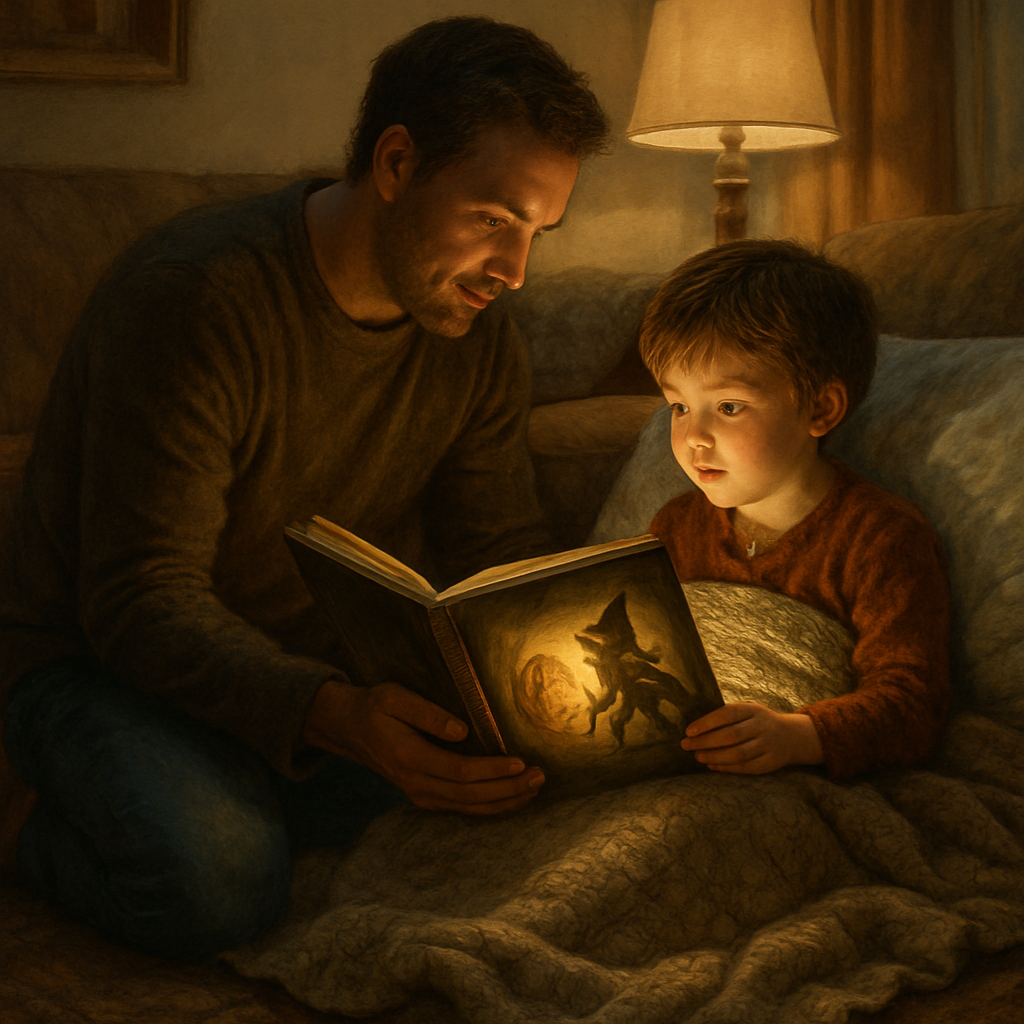
- Who helped the girl in the end, and how did that help? These prompts pair well with a short, reflective ritual—lights dimmed, a soft blanket, and a cozy parent-child dialogue that tucks in thoughts along with bodies.
How to talk about endings without spoiling imagination
The value of open-ended questions
Endings can feel abrupt to a child who’s just getting into the groove of the characters. Try a ritual: read the last page, then pause and let your child imagine three possible endings. This practice nurtures divergent thinking and reinforces that stories are living conversations, not fixed conclusions.
Practical tips for different ages
- Toddlers: Focus on feelings the story surfaced—scared, brave, curious—and name them briefly.
- Preschoolers: Invite simple choices—“Would you rather be clever like the girl or brave like the helper who appears later?”
- Early elementary: Discuss cause and effect—“If the bargain hadn’t been made, how might the story be different?”
StoryGarden note: when tech can support bedtime storytelling
Some parents find apps that create personalized stories helpful for busy nights or when traveling. If you’re considering digital tools, look for child-safe features and opportunities to adapt themes like resilience and problem-solving. Tools that let you tweak character names or endings can complement your bedtime routine—always with your child’s well-being as the priority. If StoryGarden feels like a natural fit for your family’s routine, explore it as a flexible option rather than a replacement for your conversations.
Quick Reference / Cheat Sheet
- Core takeaway: Agency and choices matter in rumpelstiltskin beyond the magical bargain.
- Bedtime tip: Pair reading with a brief reflective moment and a cozy routine.
- Conversation starter: “What would you do if you faced a tough choice like the girl?”
- Age-tailored prompts keep the discussion accessible and engaging.
FAQ: People Also Ask
- What is the moral of rumpelstiltskin? Answer: It centers on how we handle pressure, seek help, and own our choices while learning from outcomes.
- How can I discuss a difficult ending with my child? Answer: Use open-ended questions and validate emotions before exploring alternatives.
- Is rumpelstiltskin suitable for bedtime? Answer: Yes, if you keep a calm pace, focus on feelings, and end with a comforting routine.
- Can a story like this help with resilience? Answer: Absolutely—narratives about risk, consequences, and help-seeking foster flexible thinking and persistence.
Age-Specific Variations
- Infants/Tewlescent: Not targeted here; the focus remains on young children and early elementary ages.
- Preschoolers: Emphasize feelings and simple choices; keep phrasing short and kind.
- Early elementary: Introduce cause-effect questions and moral reasoning at a light, curious level.
Final Reflection
Rumpelstiltskin can feel magical and a touch dark, yet it offers a gentle map for navigating big decisions with courage and humility. We don’t need perfect endings to teach resilience—just honest conversations and a bedtime routine that respects both imagination and emotion. You’re doing an important job, and your little one is listening more than you think.