Princess bedtime story: A Parent's Guide to Creating Original Characters
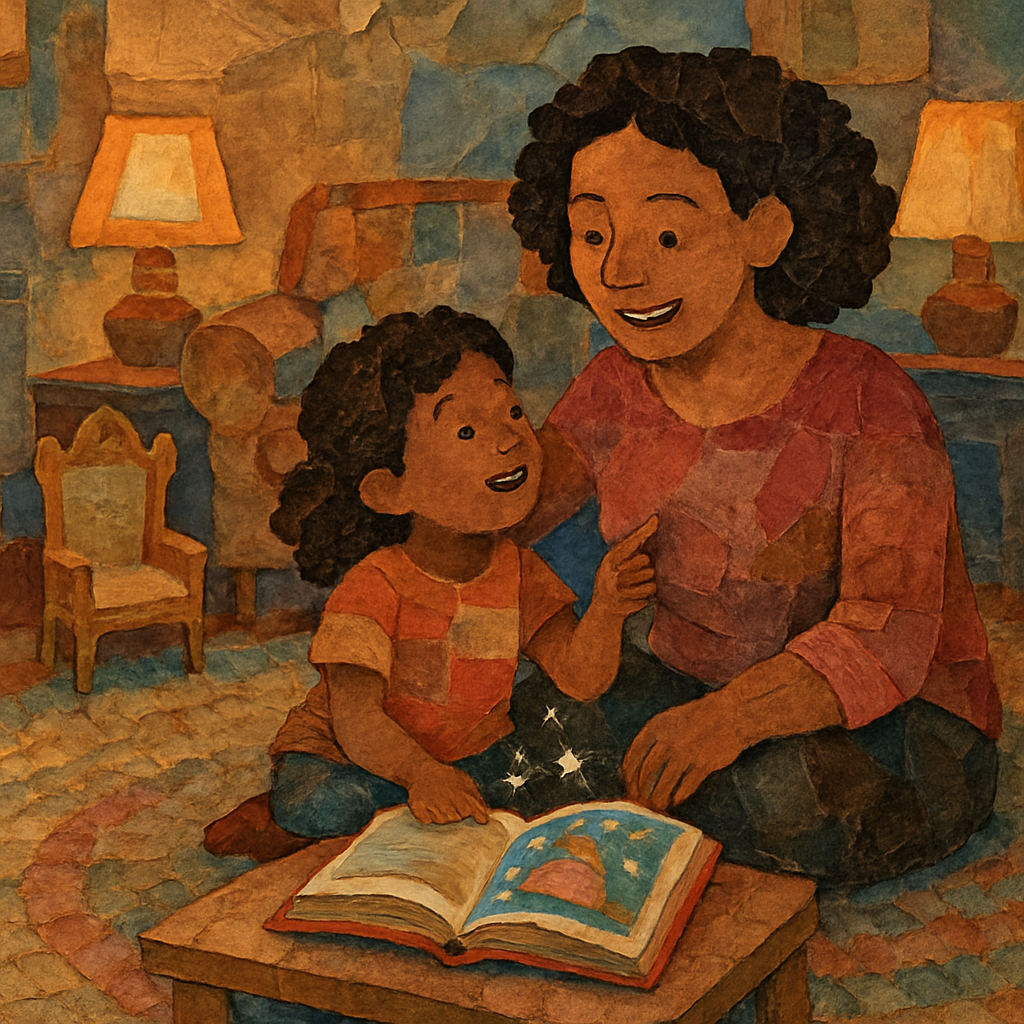
princess bedtime story
I’m Dr. Elena Vance, and I know bedtime stories can sometimes feel like a tiny production with big expectations. When our little ones ask for new adventures, we want stories that feel real, respectful, and magical all at once. Creating original characters for a princess bedtime story can spark imagination, support emotional growth, and give your child a sense of agency in their own tales. Here’s a practical, gentle guide to building memorable princess characters that fit your family’s values and your child’s developmental stage.
Why original princess characters matter
Original princesses aren’t just new names on a page. They represent possibilities—courage, curiosity, kindness, and resilience—that your child can relate to. Research in children’s literature suggests that relatable protagonists improve engagement and comprehension in early story listening, which helps with social-emotional learning. We can shape princesses who face everyday challenges—sharing, saying goodbye to a beloved pet, or solving a small conflict—without overwhelming fantasy.
Quick-start framework: your character’s core
- Name and background: Pick a name that feels warm and timeless. Give a tiny backstory in one or two sentences to anchor identity without heavy exposition.
- A goal that matters: A princess who has a genuine aim (like helping a village garden thrive or learning to listen to friends) provides clear motivation.
- Strengths and limits: List two strengths (empathy, creativity) and one challenge (frustration with excuses, fear of heights). This balance makes her feel human.
- Values in action: Choose 2-3 values she demonstrates (courage, cooperation, curiosity) whenever she faces a setback.
How these choices help bedtime dynamics
- Consistent traits create a reliable, comforting hero for your child to root for.
- Clear goals keep the plot focused, reducing confusion during tired storytelling moments.
- Realistic challenges offer teachable moments for later reflection.
Crafting the setting without overloading the plot
Your character’s world should feel immersive but not chaotic. A princess bedtime story benefits from a setting that supports calm pacing and gentle problem-solving. Consider:
- A small, friendly domain: a village, a castle garden, or a floating island—something cozy rather than sprawling.
- Everyday magical touches: a talking teapot, a sentient moon, or a helper animal. These echoes of wonder cue imagination without overwhelming the listener.
- A soft conflict: a missing color in a rainbow, a garden that needs watering, or a miscommunication with a friend.
Story structure that respects bedtime rhythms
- Start with a gentle hook: a quiet morning or a small invitation to an evening adventure.
- Present a clear objective: what the princess hopes to accomplish in today’s story.
- Introduce a manageable obstacle: something solvable with empathy, collaboration, or creative thinking.
- Resolve with a warm takeaway: emphasize teamwork, resilience, or gratitude.
Short, easy-to-follow arcs work best for bedtime. If your child is younger, simplify the obstacle and resolution. For older children, add a layer of mystery or a twist that still lands on a positive message.
Character development that travels well across ages
- For toddlers and 3-5-year-olds: focus on a single goal and one emotional cue (e.g., “I’m nervous, but I’ll try”).
- For early readers (6-8): weave a small subplot about friendship or sharing, with a couple of dialogues.
- For older kids (9+): let the princess explore strategy and planning, maybe gathering allies and testing hypotheses.
Dialogue that feels natural and kind
- Use short, direct exchanges that reveal character and advance the plot.
- Include one or two lines that mirror what your child might say or feel, which helps your listener see themselves in the story.
- Avoid moralizing; show the lesson through actions and outcomes.
Practical tips you can actually use tonight
- Start with one sensory detail: the scent of rose oil in the palace corridor or the soft glow of dusk on the garden walls.
- Give your princess a friend who complements her: a practical sidekick who models cooperation.
- Use familiar routines as anchors: bedtime prep, a short snack, teeth brushing, and a story cue that signals winding down.
- Leave a tiny open-ended moment at the end for future adventures, inviting curiosity.
I’ve tried this approach with my own kids. One evening, my younger child asked for a story about a princess who couldn’t find her crown. We kept it simple: the crown was hidden in plain sight, tucked in a place where kindness and problem-solving mattered most. The ending wasn’t just about finding a crown; it was about noticing friends’ help and learning to ask for support. It felt real, not preachy, and it sparked a calm, cooperative conversation at bedtime.
Where technology can help (and where it can’t)
Tools that personalize stories can be a gentle aid when you’re juggling bedtime chaos. Some parents find apps that tailor characters to a child’s interests useful for maintaining engagement. If you’re exploring options, look for features that allow you to customize traits and scenarios, rather than just purchasing pre-made stories. StoryGarden, for instance, can be a handy option for families who want a quick, customizable bedtime partner, though I’d treat it as one of several tools rather than a sole solution.
How to incorporate this approach into your routine
- Pick a one-episode prompt each night: “What if the princess helps a friend who’s sad?”
- Keep a small character card nearby: name, color scheme, one value, one fear, one goal.
- End with a breath and a cuddle, reinforcing emotional safety and connection.
Quick takeaways for busy nights
- Create a consistent, relatable princess by anchoring her in clear goals and genuine strengths.
- Build simple conflicts that teach problem-solving and collaboration.
- Align the setting with calm bedtime rhythms; avoid high-stakes cliffhangers.
If you’re curious about expanding your toolkit, I’m sharing more gentle strategies in future pieces. For now, remember: you’re the expert on your kid, and your bedtime stories are your own quiet superpower.
Quick wrap-up
You’re doing a wonderful job crafting princess bedtime story moments that feel real and soothing. The magic is in your consistency, your warmth, and your willingness to meet your child where they are. Keep it light, keep it kind, and let the imagination lead you through one cozy page at a time.
FAQ: People Also Ask (concise answers)
- What makes a princess bedtime story engaging for kids? A warm, relatable heroine with clear goals and gentle obstacles, told in calm, concise language.
- How can I personalize a princess character quickly? Give her one unique trait, one meaningful goal, and one challenge to overcome.
- Should I use a technology tool? It can help, but balance it with unplugged storytelling to preserve closeness and routine.
Age-specific note
- Ages 3-5: emphasize emotion and routine cues with short sentences.
- Ages 6-8: add a small plan and outcome to the conflict.
- Ages 9+: introduce strategy and collaboration in the resolution.
Quick Reference / Cheat Sheet
- One-page character card: name, trait, goal, challenge, value.
- Simple plot arc: setup, obstacle, solution, warm takeaway.
- Nightly ritual: cuddle, breathe, read, reflect.
If you ever want to tailor the princess further, I’m here with a warm, practical approach that honors your family’s values and your child’s developing heart.