Night Time Stories: The Science Behind Calm Bedtime Routines
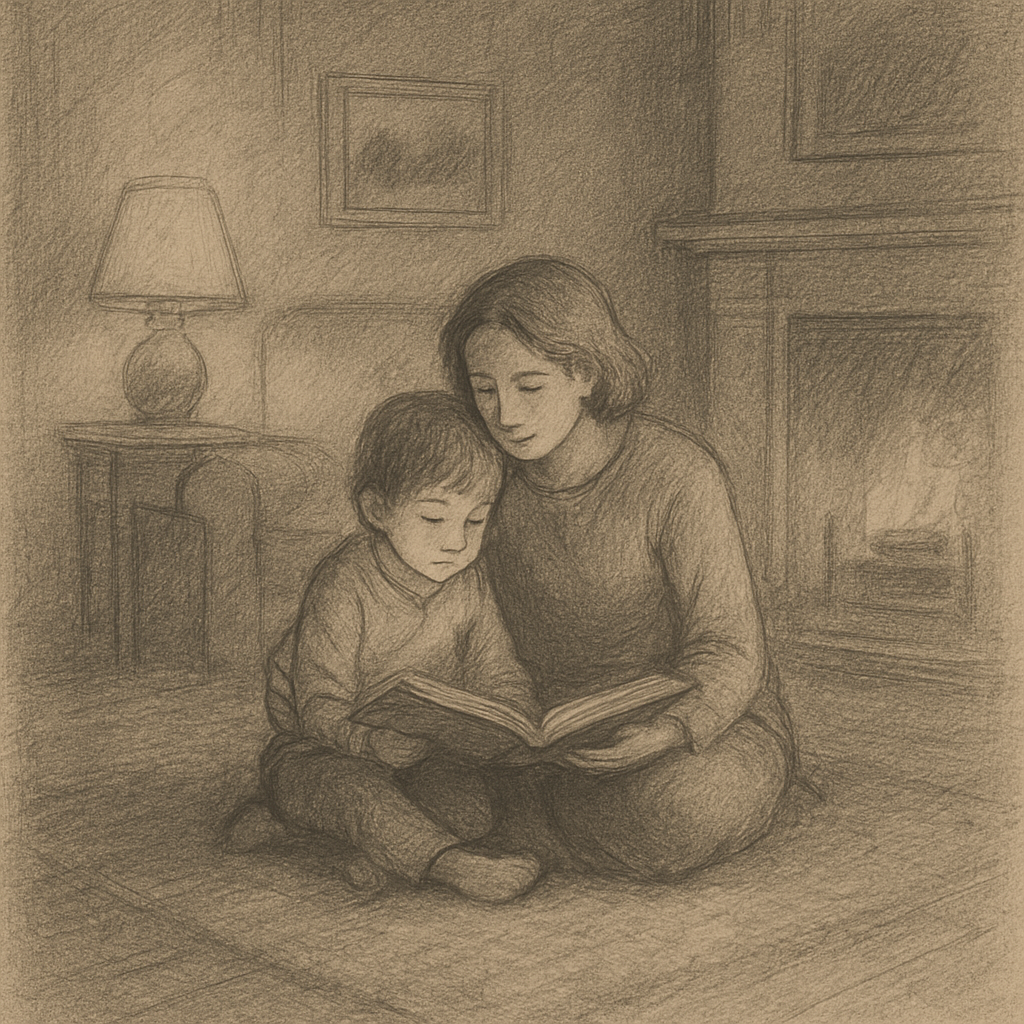
Night Time Stories
I’ve spent years watching families unwind after a busy day, and I’m convinced that the moment we turn off the screens and turn toward a story, something shifts. Night time stories aren’t just a soothing ritual; they’re a bridge between daytime learning and nighttime rest. We know from developmental psychology that narrative listening supports language growth, executive function, and social-emotional skills. In practice, that means a quiet story can help little ones organize their thoughts before sleep, and give parents a trusted tool to ease transitions when fatigue sneaks in.
Quick take
- Night time stories can cue the body for sleep by reducing arousal levels.
- Personalization and calm pacing matter as much as the tale itself.
- A routine that feels safe and nurturing supports emotional regulation.
The science at a glance
Concise, engaging stories tapped into a child’s imagination can lower heart rate and cortisol after a hectic day, creating a smoother path to sleep. Story listening also strengthens neural pathways involved in language processing. When the narrative is predictable and soothing rather than chaotic, kids learn to anticipate structure, which reduces bedtime resistance.
Why this works for busy families
We’re juggling work, school pickups, meals, and sometimes a chorus of last-minute requests. Night time stories offer a portable blueprint: a predictable ritual, a limited number of pages, and a moment of shared calm. It’s not about the story itself being magical; it’s about the repetition, warmth, and emotional connection you build with your child.
How to craft an effective night time storytelling routine
1) Set the stage for calm
Direct exposure to bright screens or high-energy activity right before bed makes it harder for kids to settle. Instead, dim lights, soft music, and a comfortable seat set the mood. A predictable ending helps your child know what to expect, which reduces bedtime battles.
- Actionable tip: choose a 10- to 15-minute window each night and stick to it. Consistency matters more than length.
- Real-world example: I once worked with a family who switched to a 12-minute, snack-free wind-down, followed by a short story, and then a brief cuddle. Bedtime moved from a struggle to a cooperative routine within a week.
2) The pacing matters
Night time stories should be soothing, not a firehose of excitement. A slower pace—read with pauses, emphasize gentle rhythm, use calm voices—helps sleep-related cues take root.
- Actionable tip: use 2–3 sentences per page and pause for sighs or small questions like, “How would you help that friend feel better?”
- Real-world example: A parent noticed that slowing down and using dialogue about feelings helped their 5-year-old process the day’s events and drift off more readily.
3) Personalization boosts engagement
Children listen more intently when stories reflect their world. Personalization can be as simple as a name swap or including a familiar routine (zipping a teddy, saying goodnight to the stars).
- Actionable tip: tailor a short, reusable opening like, “Tonight, in our cozy living room, our little explorer [name] learns one brave thing.”
- Real-world example: A family created a gentle, recurring character who handles challenges with kindness. The child began predicting what would happen next and settled faster.
4) The content matters, but not all content is equal
Stories that invite reflection, empathy, and curiosity tend to stick better than action-packed cliffhangers. Look for themes that align with your child’s current big feelings—missing a friend, moving to a new school, or a fear of the dark.
- Actionable tip: pick 2–3主题 (themes) per week to rotate through.
- Real-world example: A parent used stories about moonlight and bedtime guardians to address a child’s fear of the dark, reducing nightly anxiety over time.
5) When science meets personalization: digital tools, gently
Apps can help with personalization and consistency, but they work best when used thoughtfully. If you bring in a storytelling app, make it a choice, not a replacement for your voice. Look for features like customizable names, soothing audio, and a sense of progress that doesn’t override your family’s pace.
- Actionable tip: limit a screen-based story to 1–2 nights per week, and stay in the room while listening to the app’s narration the first few times so you can reinforce the calm cues.
- Real-world example: I’ve seen families use a gentle app as a backup on travel nights, preserving their core routine at home while maintaining the comforting ritual away from home.
Addressing common bedtime challenges
What if my child resists listening to a story?
Start with a familiar voice—your own—then slowly introduce soft, engaging prompts: “What do you notice in the picture?” This invites participation without pressure. Over time, the ritual becomes their idea, not a demand.
What if we’re tired and short on time?
Even a 5-minute micro-story can help. The goal is consistency, not perfection. A brief, predictable routine can still support sleep because the cue-to-rest association strengthens with repetition.
What about older kids who think stories are babyish?
Emphasize the routine’s value for preparing the brain for sleep and winding down after a day full of learning. Offer a longer, chapter-style story on weekends, and keep weekdays short and intimate.
Quick summary: why night time stories matter
- They reduce arousal and cue the brain that sleep is coming.
- They build language, empathy, and regulatory skills through shared dialogue.
- A predictable, gentle routine lowers bedtime resistance and strengthens parent-child bonds.
FAQ: People Also Ask
- What are night time stories good for? They support sleep readiness, language development, and emotional regulation through calm, predictable storytelling.
- How long should a night time story be for a young child? About 5–15 minutes, depending on the child’s age and attention span.
- Can stories replace a bedtime routine? They’re most effective when part of a consistent routine, not a standalone fix.
Age-specific considerations
- Infants: simple rhythm and lullaby-like cadence can help with sleep cues.
- Toddlers: short, repetitive stories with a clear beginning and end work best.
- Preschoolers: incorporate feeling words and short problem-solving arcs.
- Early school-age: longer stories with a couple of questions about morals or choices can deepen understanding and still support sleep.
Personal note from Dr. Elena Vance
I remember a week when our evenings felt rushed and chaotic. I started a tiny ritual with my oldest, a five-minute story from a favorite picture book written anew with our little family tweaks. The change wasn’t dramatic, but the sense of togetherness lingered long after the book closed. We learn as we go, and that warmth—shared, imperfect, human—matters more than any perfect script.
If you’re ever unsure, remember: you’re the expert on your child. A night time story is your gentle tool to guide them toward rest, not a performance you must perfect. We’re in this together, one bedtime at a time.