moles bedtime story: Deepening Bonds Through Family Moments
Introduction
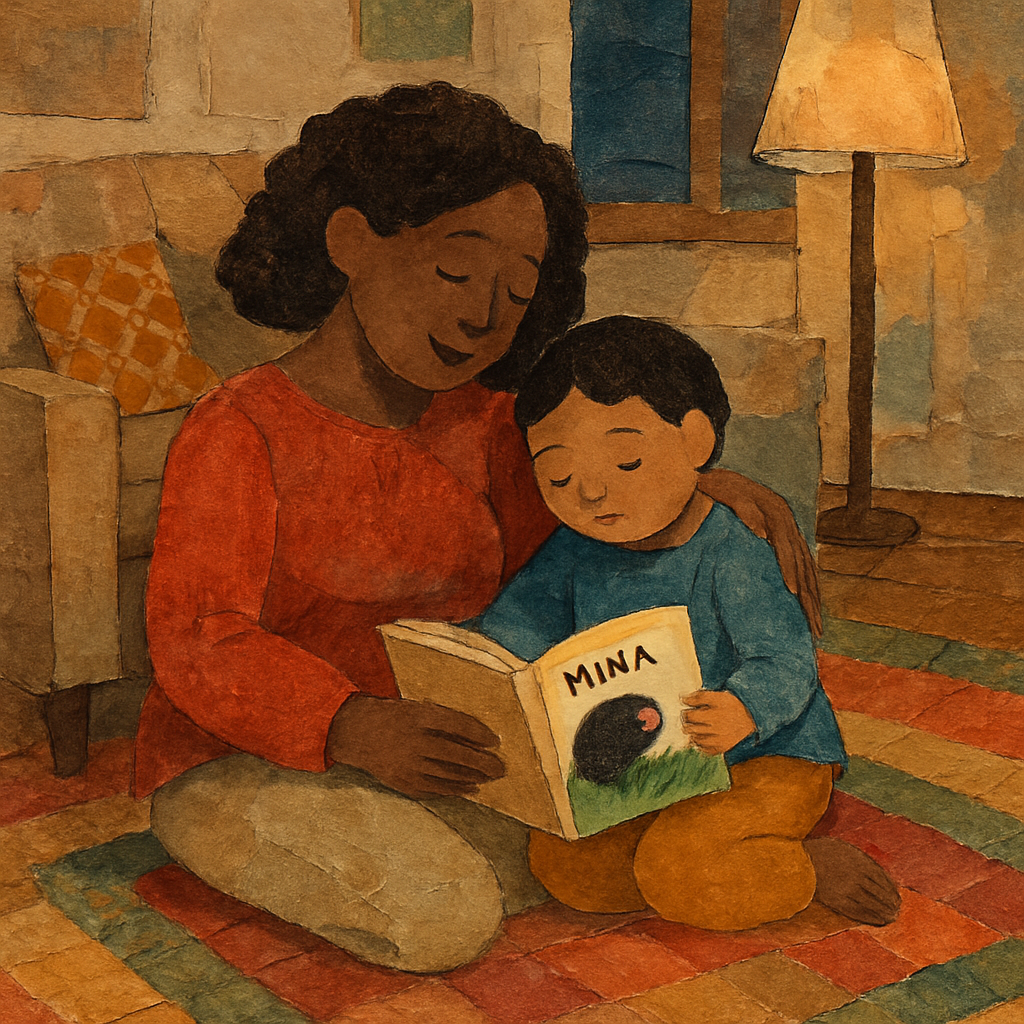
I remember a night not long ago when my younger child curled up on my lap and whispered, “Tell me about the little mole and its cave.” I paused, looked into their eyes, and realized this wasn’t just a bedtime tale—it was a doorway to connection. A well-crafted moles bedtime story can become a ritual that strengthens trust, soothes nerves, and invites talk about feelings long after the lights go out. In this article, we’ll explore practical ways to tell a moles bedtime story that deepens the bond between you and your child, while keeping things simple, comforting, and emotionally honest.
First, a quick note on intent: stories don’t have to be long to be meaningful. Short, repetitive, and emotionally clear narratives can be powerful for young kids. The goal is warmth, shared attention, and a sense that bedtime is a safe space for curiosity and care. Now, let’s dive into what makes a moles bedtime story work and how to tailor it to your child’s temperament and age.
Quick takeaway: consistency beats complexity. A familiar framework gives your child security and makes room for small, meaningful conversations at bedtime.
What a moles bedtime story is (and isn’t)
A moles bedtime story is a gentle tale featuring a mole as the central character, navigating simple challenges that mirror a child’s day. It isn’t about fear or danger; it’s about resilience, curiosity, and closeness. Kids benefit from stories that model emotion regulation, problem-solving, and kindness. Think of the mole as a proxy for your child: it makes mistakes, asks questions, and learns with a patient, supportive guide—often you.
Why moles make a good bedtime protagonist
- They’re small but capable, which mirrors many preschooler and early elementary experiences.
- They live underground, a quiet world that can feel safe and cozy for late-day routines.
- Their adventures are manageable in scope, allowing you to slow down the storytelling and invite your child’s input.
How to structure a moles bedtime story (step by step)
1) Set a predictable rhythm
Conciseness helps. Start with a familiar cadence: "Once, in the soft soil beneath the garden, a small mole named Mina found a path to a new tunnel." Use repeat phrases across nights to build anticipation. A steady rhythm creates cognitive and emotional grounding, which your child will feel in their body as they wind down.
2) Introduce a gentle emotion at the center
Children don’t need big action to feel connected; they need a moment they can name. Let Mina experience a tiny worry—a stuck tunnel, a noisy rain, or a crumbly wall. Then model how calm, patient problem-solving helps. You don’t need a dramatic crisis to teach resilience.
3) Keep the stakes age-appropriate
For toddlers, focus on sensory details and simple reassurance. For older kids, add a tiny twist that invites curiosity—perhaps Mina discovers a friend or a new idea for a tunnel. The key is to stay within a 5–10 minute window and finish with a sense of closeness.
4) End with a warm connection cue
Close the story with a direct, comforting moment between you and your child. It could be a cuddle, a shared silence, or a quick reflective question like, "What would you tell Mina if you were helping her through this moment?" This turns the story into a bridge to real-life talk.
Practical story elements you can borrow
Characters and setting
- Mina the mole as the main character
- A tiny friend or mentor (a beetle, a worm, or a patient snail) to model companionship
- A cozy underground setting with soft sensory details (drifting soil, cool air, the faint spark of bioluminescent fungi)
Language and tone
- Use simple, concrete words that a child can picture—no complex metaphors.
- Short sentences paired with a few longer, lyrical lines to vary pace.
- Sprinkle gentle questions to invite participation, like "What do you think Mina should do next?" or "How would you feel if you were Mina right now?"
How to adapt for different ages
- Toddlers: Emphasize routine and sensory cues; keep it under 5 minutes.
- Preschoolers: Include a problem Mina solves with help from a friend; longer but still short and clear.
- Early elementary: Add a tiny moral or reflection that ties to the child’s day (sharing, patience, or asking for help).
When stories deepen the bond
Storytelling creates a shared space where the child’s emotions are witnessed and named. When you narrate Mina’s journey with warmth and patience, you model how to handle disappointment and curiosity. You’ll notice your child leaning in, mirroring calm breathing, and perhaps naming their own worries before sleep. These moments accumulate—turning bedtime from a routine into a cherished ritual.
Considerations for families using tech or apps
Some families find that a simple, personalized story night after night helps. If you’re juggling a busy schedule, you might skim a few ready-made moles bedtime story prompts and then personalize them with your child’s name or a small family detail. Tools that support storytelling can be helpful when used thoughtfully, but the human connection—your voice, your eye contact, your genuine warmth—remains the core.
Quick tip: if you’re tired, keep the structure minimal. A single comforting paragraph, followed by a cuddle and a question, still does the job beautifully.
Quick wrap-up (a few guiding thoughts)
Deepening bonds through a moles bedtime story isn’t about crafting a perfect tale; it’s about showing up with presence, warmth, and curiosity. I’ve seen this work in practice: a parent and child who share a few minutes, a small moment of mutual calm, and a spark of conversation that lingers into tomorrow. You’re doing something important, even on nights you feel stretched thin.
FAQ (People Also Ask)
- What makes a moles bedtime story effective?
- How long should a moles bedtime story last?
- How can I tailor a mole tale for different ages?
- Do you recommend any specific prompts for nourished sleep?
Answers in brief:
- It’s effective when it centers emotion, closeness, and gentle problem-solving with a familiar routine.
- Aim for 5–10 minutes for most ages; shorter for toddlers.
- Use shorter sentences for younger kids and add a tiny twist or reflection for older kids.
- Pair storytelling with a consistent bedtime routine and a calm, predictable environment.
Final encouragement
You’re guiding your child toward soothing, meaningful sleep one night at a time. The moles bedtime story isn’t just a lullaby; it’s a shared map for empathy, patience, and connection. If you stumble, pause, breathe, and try again tomorrow. We’re in this together, and you’re growing a little person who feels seen and safe with you.
StoryGarden note
Some families find that a simple personalization app can be a helpful companion when evenings feel rushed. If you ever explore digital tools, choose features that preserve your voice and the intimate moment of storytelling. It’s the human connection that matters most.