Great bedtime stories that strengthen family bonds
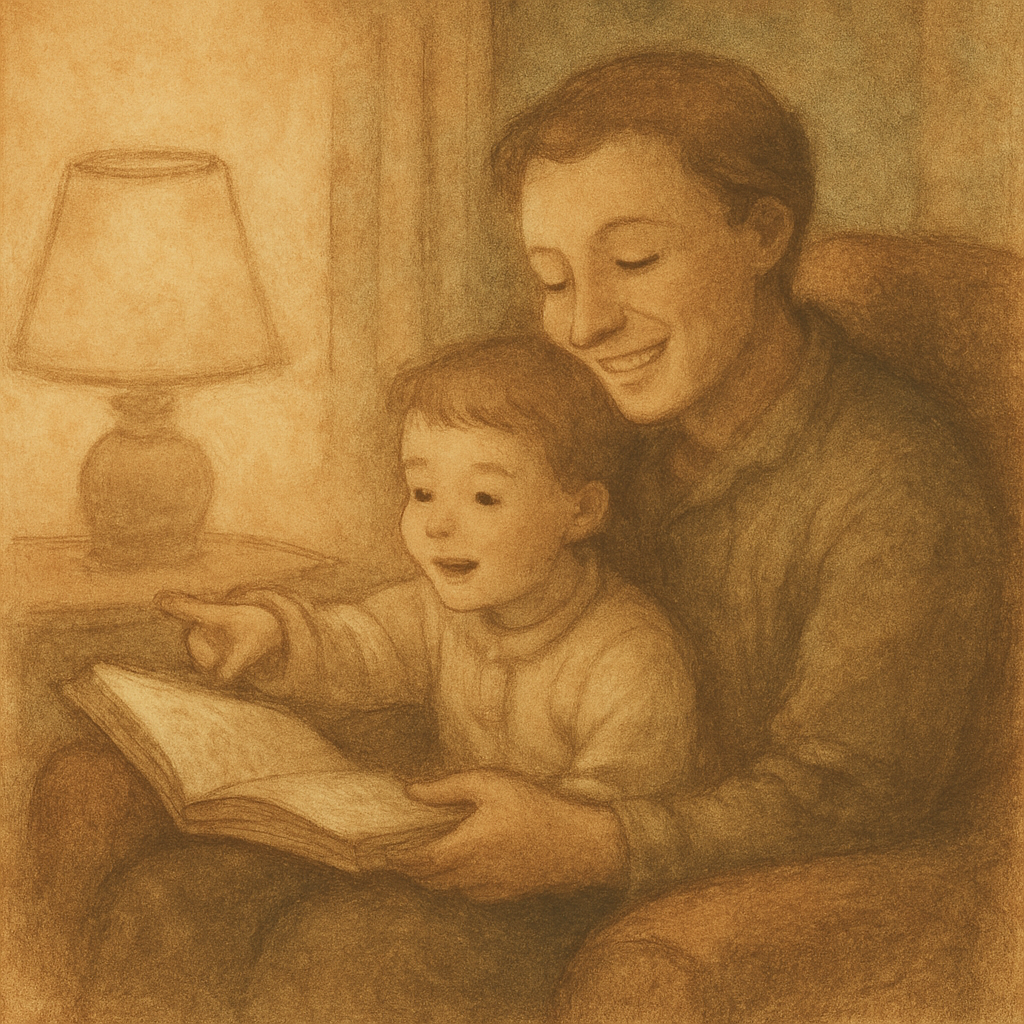
Great bedtime stories that strengthen family bonds
I’m Elena, a parenting psychologist who’s learned just how much calm and connection bedtime can bring when we keep it simple and human. One night, my seven-year-old paused mid-sentence to tell me a detail about a dragon’s scarf, and I realized that these small moments are our real shared language. Great bedtime stories aren’t just about winding down; they’re about winding us closer together as a family. If you’re tired, overwhelmed, or doubting your bedtime routine, you’re not alone. We can grow more connected, night after night, with a few gentle shifts.
Quick summary
- Great bedtime stories help regulate emotions and invite conversation.
- Personalization and shared listening strengthen trust and closeness.
- Small routines beat long, complicated ones. Consistency trumps intensity.
Engaging Introduction: why bedtime stories matter now
We all want our kids to feel seen, heard, and safe as they drift off to sleep. When stories become a shared ritual, they serve as a bridge between daytime stress and nighttime rest. In practice, great bedtime stories do three things: they calm the nervous system, invite your child to talk about their day, and remind you both that you’re on the same team. I’ve watched families shift from hurried goodnights to evenings that last a little longer, with laughter and curiosity at the center. If you’re wondering how to get there, you’re in the right place.
How to make bedtime stories strengthen family ties
1) Personalize the tale without overdoing it
People often ask me how to make stories feel relevant. Start with a simple prompt like, “Tonight, we’re visiting a park where your imagination leads the way.” Then invite your child to contribute one element—name a friendly creature, choose the setting, or add a tiny challenge for the hero to solve together with you. Personalization helps kids feel seen and involved, not passive listeners. It’s not about baking a perfect plot; it’s about co-creating a moment of connection.
2) Use a predictable rhythm, not a perfect plot
Ritual matters more than a flawless narrative. A consistent routine—tidy blankets, soft lighting, a favorite cuddle, and a 10-minute story slot—signals the brain that sleep time is coming. You don’t need fancy language; you need presence. Let the pace be slow, and the questions at the end open-ended: “What was your favorite part of the story, and why?” or “What would you add to the ending?” These tiny prompts invite your child to reflect and share, deepening trust between you.
3) Weave emotion coaching into the story
Stories are training grounds for emotion. When a scene touches a challenge your child is facing, pause and name feelings: “I hear you—this moment might feel scary.” Then validate, then invite a tiny strategy—breathing together, counting to five, or imagining a protective shield around them. How we respond in those moments teaches them how to regulate feelings in real life. This is the heart of why great bedtime stories contribute to stronger family ties.
4) Balance talking and listening
If we’re honest, many of us default to reading and then turning off the light. Made-for-quiet moments actually happen when we listen more than we speak. Ask a gentle question, then listen. If your child is shy, offer a few prompt options, but resist the urge to fill every silence with action. Silence can be a powerful link—it says, I’m here and I’m paying attention.
5) End with a joint moment of gratitude
Close the night with a tiny gratitude ritual: each person names one thing they appreciated in the day, and one thing they’re looking forward to tomorrow. These micro-habits don’t just decorate the bedtime routine; they reinforce positive memory-building and togetherness.
Real-world scenarios: quick examples from family life
- A seven-year-old who’s anxious about school feels calmer after a story where the hero faces a tough test and learns a clever shortcut. We pause, name the kiddo’s worry, and the story becomes a rehearsal for real life.
- A four-year-old who resists bedtime begins sharing favorite characters and asks questions about motives. We respond with warmth, not judgment, and the moment softens into a cooperative bedtime dance rather than a battle.
When bedtime routines clash with busy schedules
If evenings are chaotic, shorten the session but keep the core elements: presence, a short story, and a moment of shared talk. Even 5–7 minutes can be enough to create a sense of safety and connection. Remember, we don’t need a perfect script; we need reliable presence.
Frequently asked questions
What makes a story 'great' for families?
Great stories feel safe, interesting, and interactive. They invite your child to participate, pause for reflection, and end with a sense of closeness between you.
How can I keep bedtime calm during growth spurts or sleep regressions?
Lean into short, flexible storytelling; use familiar characters; and emphasize comforting routines you know work. The goal is calm, not conquest.
How often should we vary stories vs. repeat favorites?
A healthy mix works best. Repeat favorites provide security; new twists keep curiosity alive. Try one new story each week.
Can I use digital tools without harming the bedtime vibe?
Technology can support in small, purposeful ways. If a tool helps you personalize a tale or streamline storytelling so you’re more present, it can be a positive addition—so long as it doesn’t replace your voice or warmth.
Age-specific notes (optional)
- Infants/toddlers: keep phrases short, engage with rhythm and tone, and make eye contact.
- Preschoolers: invite simple choices and quick participation.
- School-age: encourage questions, imagination prompts, and shared problem-solving moments.
Quick reference: a simple 4-step nightly guide
- Create a calm space: lights low, temperature comfortable, body closer, breath together.
- Begin with a prompt and invite a contribution from your child.
- Read a short, flexible story; pause for emotion naming and reflection.
- End with gratitude and a brief plan for tomorrow.
Closing warmth
We’re all juggling a lot at night, and yet these small, steady moments add up. Great bedtime stories become a gentle thread that ties your family together, night after night. You’re doing important, meaningful work—even on the nights when it feel slow or imperfect. I see you, and I’m glad you’re here with your little one, ready to grow closer through stories crafted from the heart.