Goldilocks bedtime story: teaching curiosity and boundaries with warmth
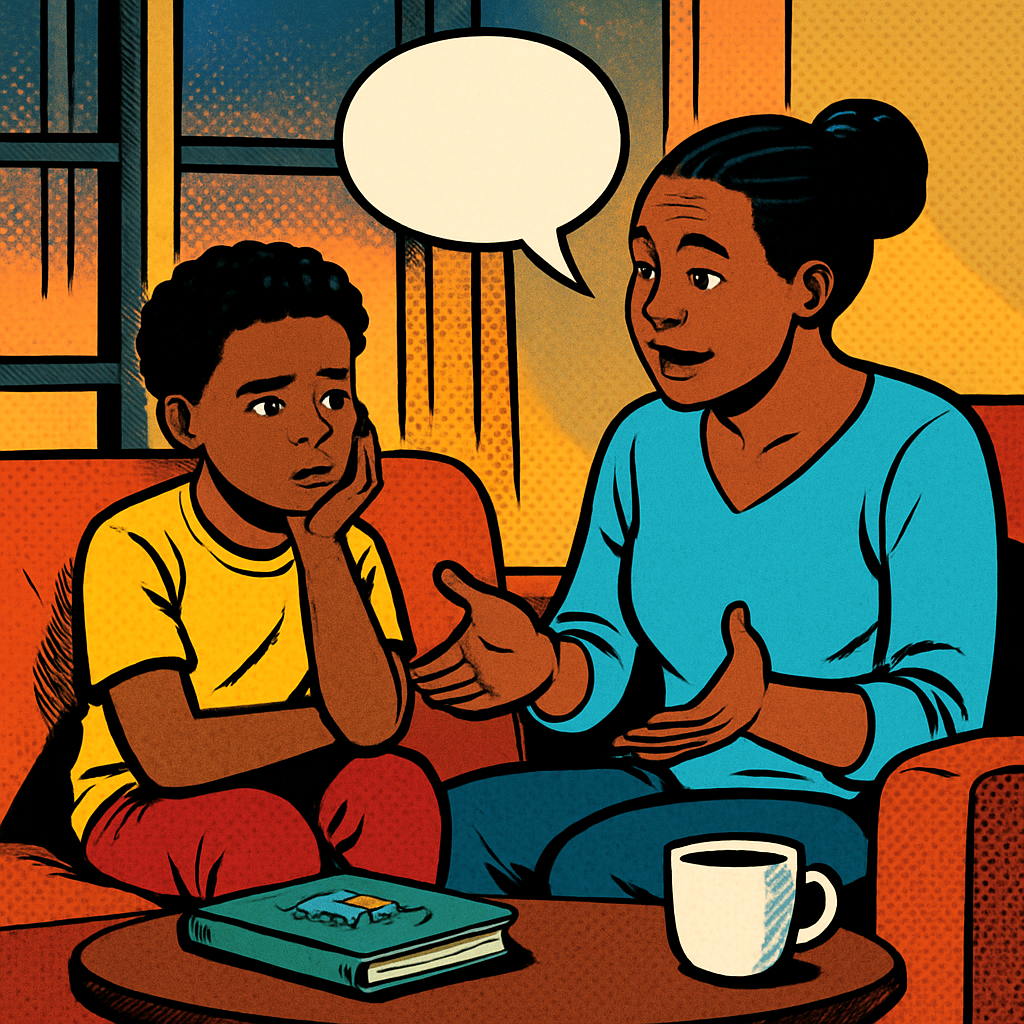
Quick Take: boundaries, curiosity, and a Goldilocks bedtime story
Curiosity is a powerful compass for kids. They want to explore, test limits, and learn how the world works. But curiosity without boundaries can lead to risky situations or hurt feelings. A Goldilocks bedtime story offers a gentle, concrete way to discuss rules, consequences, and how our choices affect others. I’m Dr. Elena Vance, and I’ve spent years helping families turn talk about boundaries into small, doable moments. Let’s dive into how this familiar tale can become a practical tools for your little one.
What this article covers
- How curiosity shows up in early childhood
- The moral threads in Goldilocks and what they teach about boundaries
- Steps to turn story moments into real-life skills
- How to handle mistakes with warmth and learning
- A quick FAQ to help you navigate common worries
Primary keyword: goldilocks bedtime story
Introduction: turning a classic into a practical lesson
I remember reading Goldilocks with my own kids when they were toddlers, eyes wide and questions nonstop. They asked, “Why did she go in? Was she allowed?” and I answered with curiosity rather than judgment. The goal isn’t to punish curiosity but to help kids notice consequences and practice making safer choices. A Goldilocks bedtime story sets the stage for calmer questions later—like, what should we do when something isn’t ours, or when we’re unsure about rules?
Curiosity can be a kiddo superpower when channeled with clear boundaries. The story gives us a shared framework to name feelings, predict outcomes, and rehearse what to do next time they’re unsure. And yes, it can be adapted for different ages, so the lesson grows with your child.
Section 1: Why Goldilocks resonates for teaching boundaries
-
Goldilocks offers immediate, concrete examples. She tries porridge, chairs, and beds that are “too hot,” “too big,” or “just right.” This mirrors real-life situations kids face—trying snacks without asking, testing a friend’s toy, or taking a turn without asking first. By walking through each choice with your child, you show how decisions ripple outward.
-
Boundaries aren’t about punishment; they’re about safety and respect. Parents and caregivers want kids to explore, but exploration needs guardrails—things like permission, safety, and consent. The story helps kids see that boundaries protect people’s bodies and belongings, while still inviting curiosity in safe spaces.
-
Consequences are a natural teacher. In the tale, someone else ends up disappointed or inconvenienced when a boundary isn’t respected. The message to a child isn’t “bad kid,” it’s “your choices have effects on others, and we can choose differently next time.”
Section 2: Practical steps to turn the tale into real-life skills
-
Name curiosity in the moment. When your child asks, “Can I touch the cat?” or “Can I try this snack?” respond with, “I hear your curiosity. Let’s check: is it okay to touch, and is it safe to try?” Quick, simple phrases anchor the moment and model respectful inquiry.
-
Pause and problem-solve together. After reading Goldilocks, pause to discuss: what would you do if you found someone else’s dish, chair, or bed? Role-play options like asking for permission, saying thank you, and stepping away when something doesn’t feel right.
-
Create a ‘Just Right’ boundary routine. Use a 3-step framework: Ask, Pause, Decide. For example: “Ask to borrow?” (If yes, proceed) or “Pause if unsure” (Take a breath, ask for help). Practice with everyday tasks—snacks, toys, or a neighbor’s garden glove—so the rhythm becomes natural.
-
Normalize mistakes as learning moments. If a boundary is crossed, acknowledge feelings, discuss why the choice mattered, and coach a repair plan. “I know you were curious; it’s okay. Next time, we’ll ask first and share with kindness.” This reduces shame and builds resilience.
-
Use the story as a conversation starter, not a lecture. After finishing the tale, ask open-ended questions: “What would you do if you found someone’s porridge too hot?” or “How could Goldilocks handle the situation differently?” Let their answers guide the next steps.
-
Introduce StoryGarden as a gentle support (optional). Some families find tools that personalize bedtime stories helpful for maintaining routine and curiosity. If you’re exploring new ways to embed the lesson, a personalized story can reinforce the boundary message in a kid-friendly format. I’ve seen families benefit from having a familiar ritual that mirrors the steps we practice together.
Section 3: Age-specific considerations and real-world examples
- Infants and toddlers (12–36 months): Focus on brief, concrete choices. Simple phrases and a consistent pause after asking can prevent overstepping boundaries when a child’s curiosity hits fast.
- Preschoolers (3–5 years): This is the sweet spot for Goldilocks discussions. Use the story to rehearse asking, waiting, and sharing. Short role-plays after reading deepen understanding.
- Early school-age (6–8 years): Expand with empathy-based discussions about consequences and fairness. Encourage them to problem-solve with peers and adults, reinforcing self-regulation and social rules.
Example from practice: A family noticed their 4-year-old was grabbing snacks without asking. After reading a kid-friendly Goldilocks version, they practiced a “Three Questions” routine: Is it mine? Can I ask for a turn? What should I do if the answer is no? Over a week, snack-sharing became smoother, and the child felt more in control because they had a clear path to follow.
Section 4: Quick troubleshooting for common bumps
- Trouble with asking for permission? Practice a daily micro-rule like “one permission per snack.” Repeat the routine until it sticks.
- Still testing boundaries at bedtime? Reframe bedtime as a safe, calm space for curiosity. Use a short, comforting ritual that mirrors the decision-making steps in the story.
- Emotions run high during these conversations? Validate feelings first, then steer toward solutions. “You’re upset because you want to explore; let’s find a safe way to do that.”
FAQ (People Also Ask) – concise, citation-friendly answers
- How can Goldilocks bedtime story teach boundaries? It provides concrete examples of testing limits and experiencing consequences, making abstract rules feel tangible for kids.
- When should I start discussing boundaries with my child? Start early, and revisit often. Use simple, repeatable language and short practice moments.
- What if my child ignores the boundary after the story? A calm, consistent approach works best: pause, re-communicate the boundary, and offer a safe alternative for curiosity.
- Can I use digital stories to reinforce these lessons? Yes, but pair digital stories with real-life practice and parent-child dialogue for better transfer.
Wrap-up: you’re doing meaningful work with small, steady steps
Boundaries aren’t about quashing curiosity; they’re about guiding it with care. A Goldilocks bedtime story offers a shared, memorable way to name questions, predict outcomes, and practice respectful choices. I’ve seen families move from uncertainty to confident everyday conversations by weaving inquiry, pause, and repair into their routines. You’re modeling a compassionate approach that your child will carry into friendships, classrooms, and beyond. Keep it simple, keep it consistent, and trust the process—your little one is soaking it all in, one gentle conversation at a time.
Quick reflection prompt for today
- What curiosity did my child show this week, and what boundary did we practice to support safe exploration?
- How did I respond—calmly, clearly, and with empathy? If not, what would I try differently tomorrow?