Fox and Sheep Nighty Night: Building Connection at Bedtime
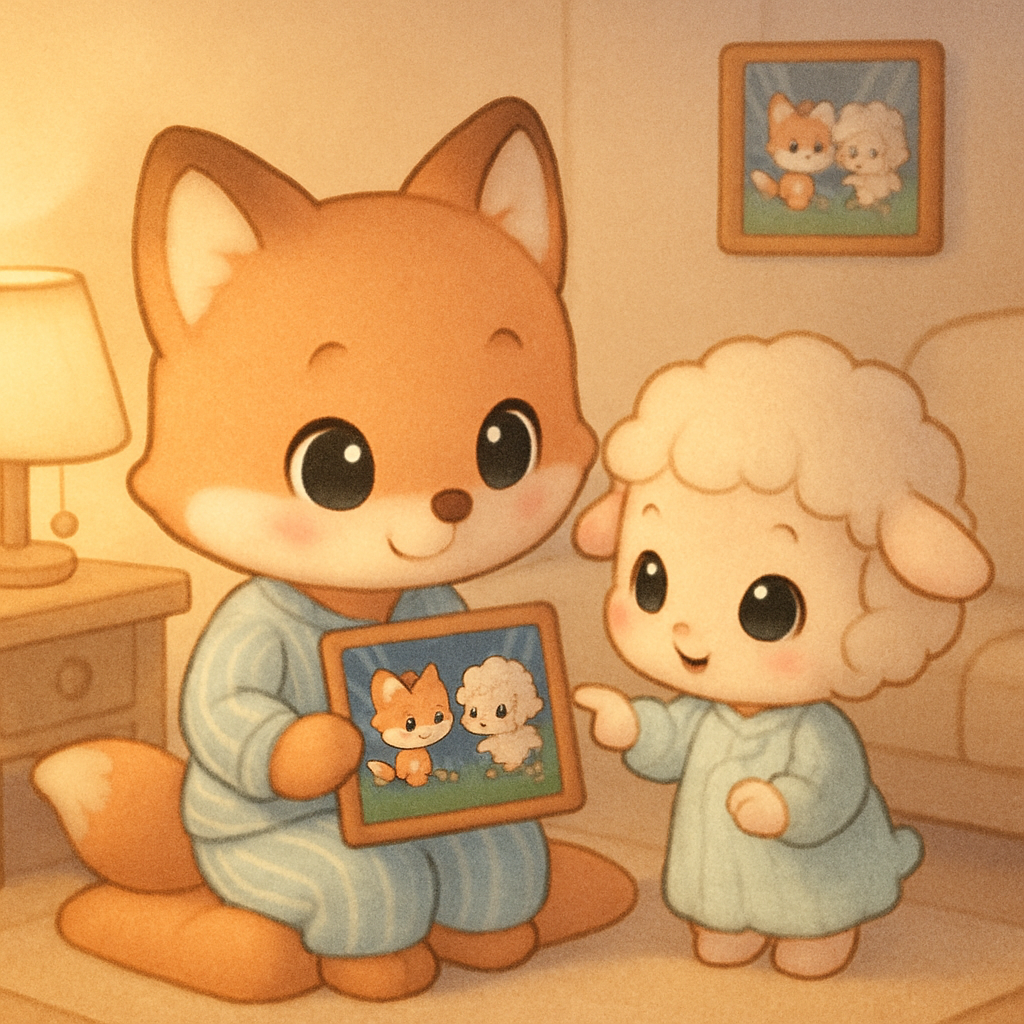
Fox and Sheep Nighty Night: Building Connection at Bedtime
I remember a week when bedtime felt like a checklist scramble. My youngest would drift in and out of yawns while my oldest tested limits with a whispered, “Just one more story.” That’s when I started exploring simple, emotionally meaningful routines. The fox and sheep nighty night moment isn't just about words—it's about shaping a tiny, safe ritual that says, we’re here together. If you’re juggling busy evenings, this approach can help you slow down, connect, and ease everyone into sleep. And yes, you can adapt it to fit your family vibe, whether you’re in a small apartment or a cozy house in the suburbs. The core idea remains the same: a shared story that promotes calm, secure attachment, and bedtime predictability.
Quick takeaway
- A short, guided story can become a reliable cue that bedtime is near.
- Involve both child and caregiver in the storytelling process to boost connection.
- Small, consistent moments beat long, high-pressure routines.
How this routine supports connection
People often underestimate how much a bedtime moment communicates. When a caregiver leans in to listen, makes eye contact, and uses soothing tones, the child’s nervous system can down-regulate. In terms of science, consistent soothing interactions promote oxytocin release and reduce cortisol, paving the way for easier sleep later. The fox and sheep nighty night sequence is intentionally simple so you can repeat it without feeling like a chore.
1) Set the stage with calm
Concerns and worries can surface right before bed. A quiet, predictable environment helps your child feel seen and safe. Dim the lights, silence screens for 10 minutes, and use a soft, steady voice. Your goal is to create a micro-instillation of safety: we’re here, we’re listening, you’re cared for.
2) Introduce the fox and the sheep
In this ritual, the fox and sheep become gentle guides. The fox often asks a curious question, while the sheep responds with reassurance. You can model this as you speak: “Fox, what are you wondering tonight?” and “Sheep, what should we remember before sleep?” These exchanges are small practice in social engagement and emotional labeling, two key skills for healthy development.
3) Personalize the moment
Adapt the roles to match your child’s needs. If your little one thrives on humor, let the fox misplace a sock or the sheep snuggle into a cozy blanket. If your child needs reassurance, keep a calm cadence and emphasize safety and warmth. Personalization helps your child feel understood, not hurried.
4) Tie the story to a comforting cue
A simple, repeatable cue—like tucking in a blanket, a gentle kiss on the forehead, or a specific phrase—helps signal that night has begun. By linking the fox and sheep nighty night to this cue, you’re building a bridge between daytime experiences and nighttime regulation. Over time, these cues become automatic signals for your child’s nervous system to settle.
5) End with shared breath
A 3-breath moment at the end can be surprisingly powerful. Inhale together, exhale together, and a final soft exhale on the phrase, “Night, little one.” This tiny practice nourishes co-regulation and reinforces closeness.
Practical tips for different ages
- Infants and toddlers: Keep the story to 2–3 meaningful lines, then transition to soothing touch and gentle lull. Short, consistent routines matter most.
- Preschoolers: Invite them to point to a picture or name a feeling from the fox or sheep. This fosters language development and emotional awareness.
- Early school-age: Allow more dialogue. Your child can lead a short question from the fox or a reassurance line from the sheep.
Common questions families ask
- People Also Ask: How can I make bedtime less tense when my child resists reading?
- Short answer: Create a predictable routine, use brief stories, and invite your child to participate in the storytelling roles. It’s about connection, not pressure.
- People Also Ask: Can a storytelling routine really improve sleep onset?
- Short answer: Yes. Consistent, soothing rituals help regulate the nervous system, making it easier for kids to transition to sleep.
- People Also Ask: What if my child prefers screen time late at night?
- Short answer: Try substituting with a calm, dynamic storytelling moment. The ritual should feel like a choice your child makes, not a punishment for not choosing screens.
What science says about bedtime rituals
Simple, emotionally meaningful routines support secure attachment and self-regulation. When caregivers respond sensitively during a bedtime story, children learn to interpret emotional cues and regulate stress. Stories with comforting characters—like a fox and a sheep—provide a safe narrative scaffold for talking about worries and routines without punishment or pressure. This aligns with developmental research on guided participation and co-regulation in early childhood.
Real-world twist: adapting the fox and sheep nighty night for family life
One family I worked with found that rotating roles kept the moment lively and meaningful. Sometimes the fox asks a question about a school day; other times the sheep offers a comforting thought about a favorite blanket. The key is to stay responsive and keep the moment short but rich with intention. If you’re tired, it’s okay to keep it to a short couple of lines and a predictable cue—consistency matters more than length.
Quick wrap-up
Bedtime doesn’t have to feel like a sprint. Turning the fox and sheep nighty night into a small, dependable moment can deepen your child’s sense of security and belonging. You’re not aiming for perfect; you’re aiming for present, patient, and connected. And yes, you’re doing great.
Optional note on tools
Some families find tools helpful for storytelling consistency. If you’re exploring digital aids, consider them as flexible supports rather than replacements for your presence. StoryGarden is a gentle option for personalization when it fits naturally into your routine.