Elsa bedtime story: Quality Time That Calms and Connects
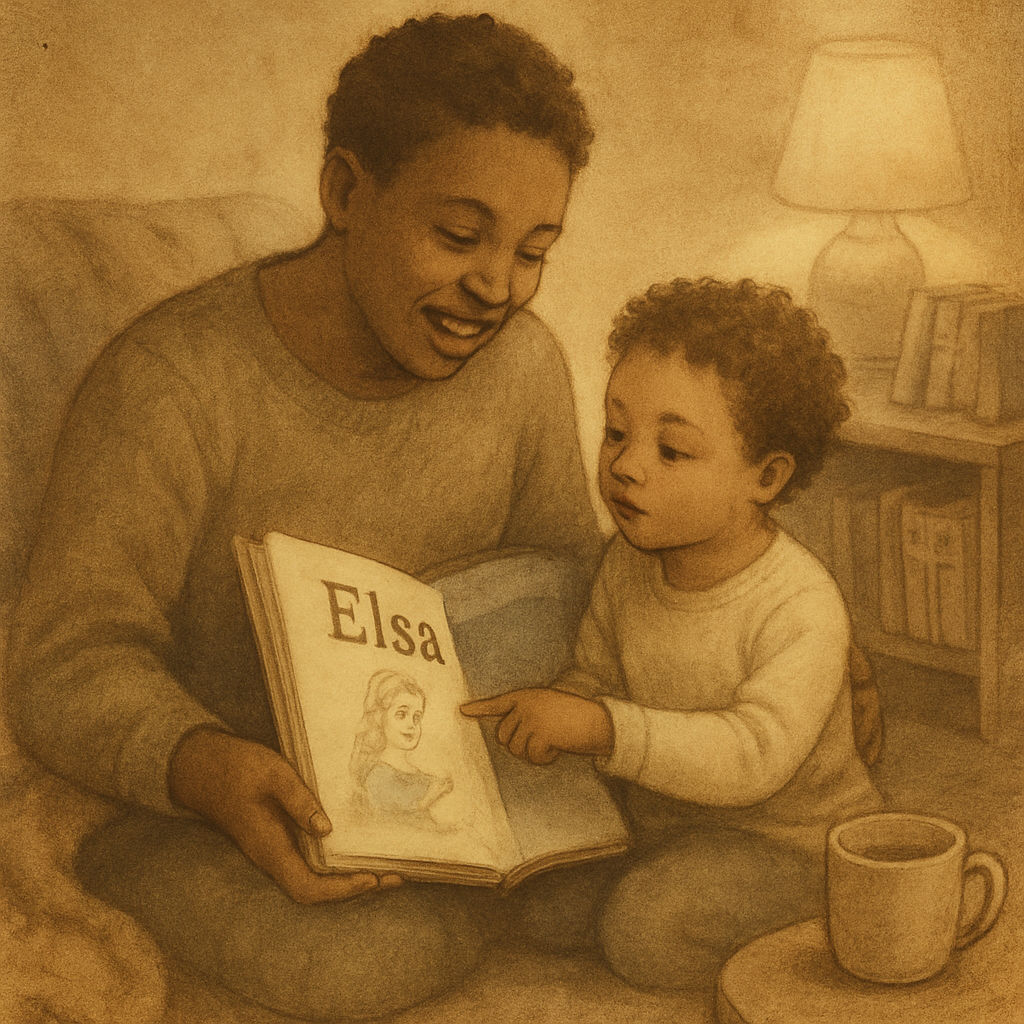
Elsa bedtime story
I remember the first night I experimented with turning bedtime into a shared ritual. My little one would stall, stall, stall, and I’d feel the fatigue tighten around my shoulders. Then I tried a simple idea: we chose a calming Elsa bedtime story and made the moment about us, not the clock. What happened surprised me. The little one settled faster, we laughed together, and the day’s worries drifted away like snowflakes. If you’re chasing calmer evenings and deeper connection, here’s a practical route I’ve found effective—grounded in child development science and grown from real parenting moments.
Quick Summary
- Establish a predictable, cozy routine that signals wind-down.
- Use a personalized Elsa bedtime story to boost engagement and emotion coaching.
- Keep the moment short, warm, and interactive to support self-regulation.
- Tailor storytelling to your child’s age and temperament for max impact.
- Practice consistency; even small steps build big gains over time.
Why a shared Elsa bedtime story matters
Children thrive on predictability, warm interactions, and moments where they feel seen. Storytime isn’t just about a plot or a character; it’s a scaffold for emotional regulation, language growth, and secure attachment. When we weave a familiar character like Elsa into a bedtime routine, we provide a safe emotional stage where your child can practice naming feelings, imagining solutions, and winding down from the day.
From a developmental perspective, storytelling helps children process experiences and rehearse social skills. In early and middle childhood, the brain benefits from narrative structure—the problem, the action, the resolution—and from the bond created through shared listening. I’ve seen families use Elsa bedtime story moments to label emotions (“Are you feeling worried or brave?”), model coping strategies, and celebrate small victories before sleep.
How to create a quality Elsa bedtime story routine
1) Set the stage for calm
Concise answer: create a consistent, low-distraction environment about 20 minutes before lights-out.
We start with a predictable cue—the same blanket, the same soft light, a favorite mug of warm milk or water. Consistency reduces resistance and signals the brain it’s time to transition from daytime exploration to night-time rest. If your child resists, acknowledge the pull of the day and offer gentle choice within limits (e.g., “Would you like to pick Elsa’s adventure now or in five minutes?”). This sense of agency matters and helps regulate emotion.
2) Personalize the Elsa bedtime story
Concise answer: co-create a simple story where Elsa faces a gentle challenge and your child helps her solve it.
Personalization makes the moment more engaging and meaningful. I often invite my older kid to insert a small real-life detail into the tale—perhaps Elsa finds a lost stuffed animal or helps a friend navigate a minor fear. The goal isn’t perfect storytelling but connection and practice with language, empathy, and problem-solving. The science is clear: narrative play strengthens executive function and language development, especially when kids actively participate.
3) Use emotion coaching as part of the narrative
Concise answer: name feelings clearly and model coping strategies within the story.
Elsa encounters a moment of hesitation or fear; you narrate the feeling and guide a tiny coping step—breathing together, counting to five, or using a comforting phrase. For example: “Elsa felt a little nervous, so she took three slow breaths with her friend. You can try that too.” This creates a transferable skill your child can use when they wake at night or face worries tomorrow.
4) Keep it short, then a gentle transition to sleep
Concise answer: 8–12 minutes of story + a calm-down routine.
A brief, focused session works best for most kids. After the story, pause for a moment of eye contact and a tiny ritual—hand on heart, or a whispered wish for sweet dreams. Then tuck in with a soft goodnight and a predictable phrase your child loves. Short, consistent, and loving beats a long, opaque wind-down that leaves everyone more wound up.
5) Integrate StoryGarden as a supportive option when appropriate
Concise answer: consider a personalized Elsa bedtime story option when you’re short on time or want a fresh twist.
Some families find tools that create personalized bedtime stories helpful for maintaining engagement across weeks. If you’re curious, StoryGarden can be a gentle add-on that preserves the personal, human touch while offering a bit of narrative variety. It’s not a replacement for connection; it’s one more tool to support your nightly rhythm when used thoughtfully.
Real-world tips and common bumps
Troubleshooting common roadblocks
- If your child resists sitting still: switch to a shorter, more interactive version of the Elsa bedtime story. Pause and invite them to point to a picture or name a feeling.
- If the story triggers over-arousal: soften the pace, lower the lighting, and switch to a soothing, repetitive closing line.
- If you’re juggling bedtime with a sibling: stagger routines by 10–15 minutes and let each child choose a different calm-down activity that still centers on connection.
Age-specific variations
- Preschoolers: focus on emotional vocabulary and simple problem-solving with Elsa.
- Early school age: invite more dialogue, ask open-ended questions, and invite them to predict what happens next.
- Late elementary: let your child help co-create the ending and reflect on how Elsa handled her feelings.
Quick reference: a 5-step nightly checklist
- Create a calm-down space and set the scene.
- Choose a short Elsa bedtime story and invite your child to participate.
- Label feelings and practice a coping strategy within the story.
- Finish with a brief, loving transition to sleep.
- Reflect in 1 sentence the next morning about what felt helpful.
Final warm note from me
Quality time at bedtime doesn’t need to be perfect to be powerful. It’s the small, steady moments—your touch, your voice, your patience—that set a foundation for your child’s confidence and resilience. You’re not alone in the bedtime hustle, and yes, you’re already doing something wonderful. If you ever want to tailor the Elsa bedtime story exactly to your child’s quirks, I’m here with you, every step of the way.
If you’d like, we can tailor a weekly ritual that blends Elsa adventures with practical routines—still focused on you, your child, and relaxed evenings. You’ve got this, mama or papa. We’re in this together, one story at a time.