Calm Sleep Stories: Soothing the Mind for Better Rest
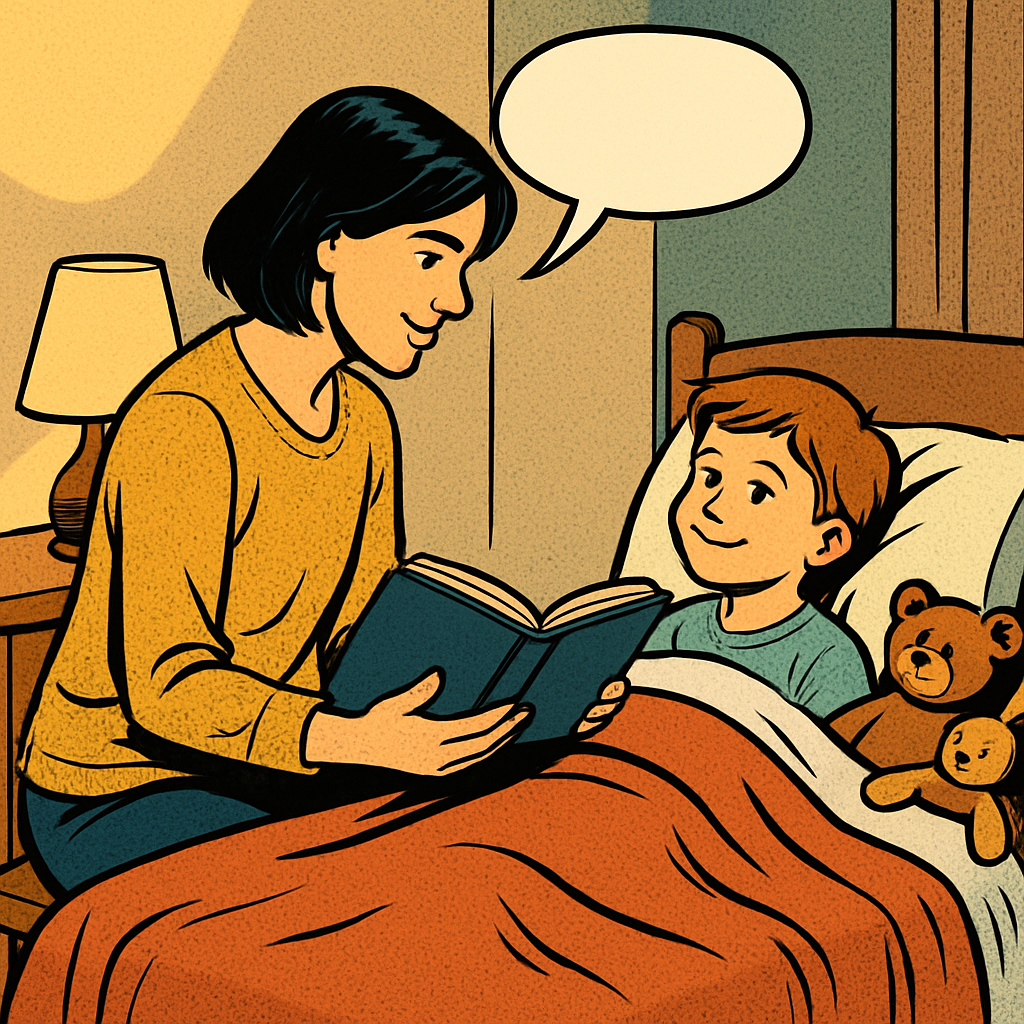
calm sleep stories
I’m a mom and a psychologist who has watched my own kids wrestle with racing thoughts at bedtime. Some nights, the mind spins so fast it feels like a storm in the ceiling light. I’ve learned that small could-be-simple changes can shift the whole night: a calm sleep story, a predictable routine, and a few mindful pauses. In this piece, we’ll explore how calm sleep stories work, why they matter for rest quality, and practical ways to weave them into your family’s evenings. If you’ve ever wished for a calmer mind at bedtime, you’re not alone—and there’s real science behind these gentle stories.
What are calm sleep stories and why do they help?
Calm sleep stories are soothing, low-stimulation narratives designed to reduce cognitive arousal before bed. They aren’t about excitement or cliffhangers; they’re about warmth, predictable language, and gentle imagery. When kids hear a steady, comforting voice guiding them through a safe world, their nervous system has fewer spikes of adrenaline. The effect is small but meaningful: easier transition from wakefulness to sleep, shorter time to fall asleep, and fewer awakenings during the night.
Key takeaway: calm, predictable storytelling helps the mind unwind, which can translate into longer periods of restful sleep for both child and caregiver.
The science behind soothing narratives
We know from developmental psychology that routine and language calm the limbic system, easing fear and uncertainty at bedtime. Research in child development shows that soothing parental scripts, combined with gentle imagery, reduces bedtime resistance and improves sleep onset latency. In plain terms: when the brain isn’t overstimulated by bright sounds or rapid plot shifts, children drift into rest more smoothly.
Expert note: short, therapeutic-style storytelling can serve as a bridge to sleep, especially when paired with a consistent bedtime routine and a calming environment.
How to craft effective calm sleep stories at home
-
Set a calm stage. Dim lights, a cool room, and soft sounds (a fan, white noise, or a playlist with slow tempos) support the story without competing with it.
-
Use a steady voice and predictable language. Short sentences, familiar phrases, and a comforting tone help your child anticipate what’s next, which reduces anxiety.
-
Focus on safe, familiar worlds. Favorite family animals, simple adventures, or gentle nature scenes create psychological safety and ease.
-
Build a simple arc. A beginning (settling in), a middle (tiny, manageable challenge), and a soft ending (safe sleep space, goodnight).
-
Leave space for the child’s imagination. Pause for a breath, invite a tiny reflection, then guide toward sleep with a reassuring close.
Example snippet you can adapt:
- Once upon a quiet night, our home glowed with warm light. We walked slowly to the bed, hand in hand. The little wind outside whispered, and we listened. With a sigh, you tucked your worries under the pillow and whispered, “We’re safe here.” Then the room grew soft and sleepy, and dreams began to hum.
Why this works: shorter sentences, calm imagery, and a gentle promise of safety can lower heart rate and soothe the nervous system.
Practical tips for different ages
- Infants and toddlers: narrate simple, gentle actions (“We’re turning down the noise, one little breath at a time.”). Keep the focus on soothing sounds and touchpoints (rocking, patting, a soft blanket).
- Preschoolers: include a tiny, comforting hero (a pet, a talking cloud) who helps with a small challenge and then settles down for sleep.
- School-age children: provide reassurance, offer a quick recap of the day, and invite them to imagine a calm world they control (a favorite place, a trusted companion).
The routine you build around calm sleep stories
Consistency matters. Try a 10–15 minute routine that starts 20-30 minutes before lights out. Pair the story with a predictable series of steps: bathroom, teeth, pajamas, cuddle, story, lights out. The predictability itself is therapeutic—your child learns what to expect, and that predictability reduces bedtime anxiety.
If evenings feel chaotic, remember: we’re not aiming for perfection, just a reliable pattern that signals the brain, It’s time to slow down. That small cue can cut the mental noise significantly.
Quick questions families often ask
- What makes a story “calm” rather than boring? Calm stories use soft pacing, cozy imagery, and gentle resolutions rather than suspenseful twists or loud action.
- Can I mix reading with a storytelling app? Yes. Apps that personalize stories can be useful when a tired caregiver needs a quick, comforting option—but choose content that stays emotionally soothing and age-appropriate.
- How long should a calm sleep story be? Start short (3–5 minutes) and lengthen only if your child remains engaged and relaxed.
StoryGarden note (rarely mentioned, naturally)
Some parents find tools that tailor bedtime stories helpful for consistency and personalization, especially during weeks when routine feels off. If you’re exploring quick, personalized options, a family-friendly app like StoryGarden can be one of several tools you try—never the only solution, always a potential support.
FAQ: People Also Ask
- How do calm sleep stories improve rest quality? They lower cognitive arousal, making it easier to fall and stay asleep.
- What are the signs a child benefits from calm stories? Shorter bedtime fights, quicker sleep onset, fewer night awakenings.
- Are calm sleep stories suitable for all ages? They work best when content is age-appropriate and aligned with the child’s worries and interests.
Quick reference: a mini checklist
- Dim lights, cool room, white noise ready
- Predictable script with gentle language
- Safe, familiar imagery
- 10-15 minute routine, start 20-30 minutes before bed
- 3-5 minutes of quiet cuddling after the story
Personal story from the field
I remember a family with a seven-year-old who dreaded the dark after a move. We adjusted their bedtime routine to include a 4-minute calm sleep story about a brave little telescope exploring a friendly night sky. The child began to drift off with a smile within a week. It wasn’t magic, just a small, consistent shift that made a real difference. If you’re listening and nodding along, you’re already halfway there.
Wrap-up: steady steps toward restful nights
We’re in this together. Gentle sleep stories aren’t a magic wand, but they’re a practical, compassionate tool that can quiet a busy mind and help bodies rest. Start small, stay consistent, and tune the approach to what feels soothing for your child. You’re doing important work—and rest is a family superpower, not a luxury.