Beyond Disney: Discovering New Characters in Dinosaur bedtime story
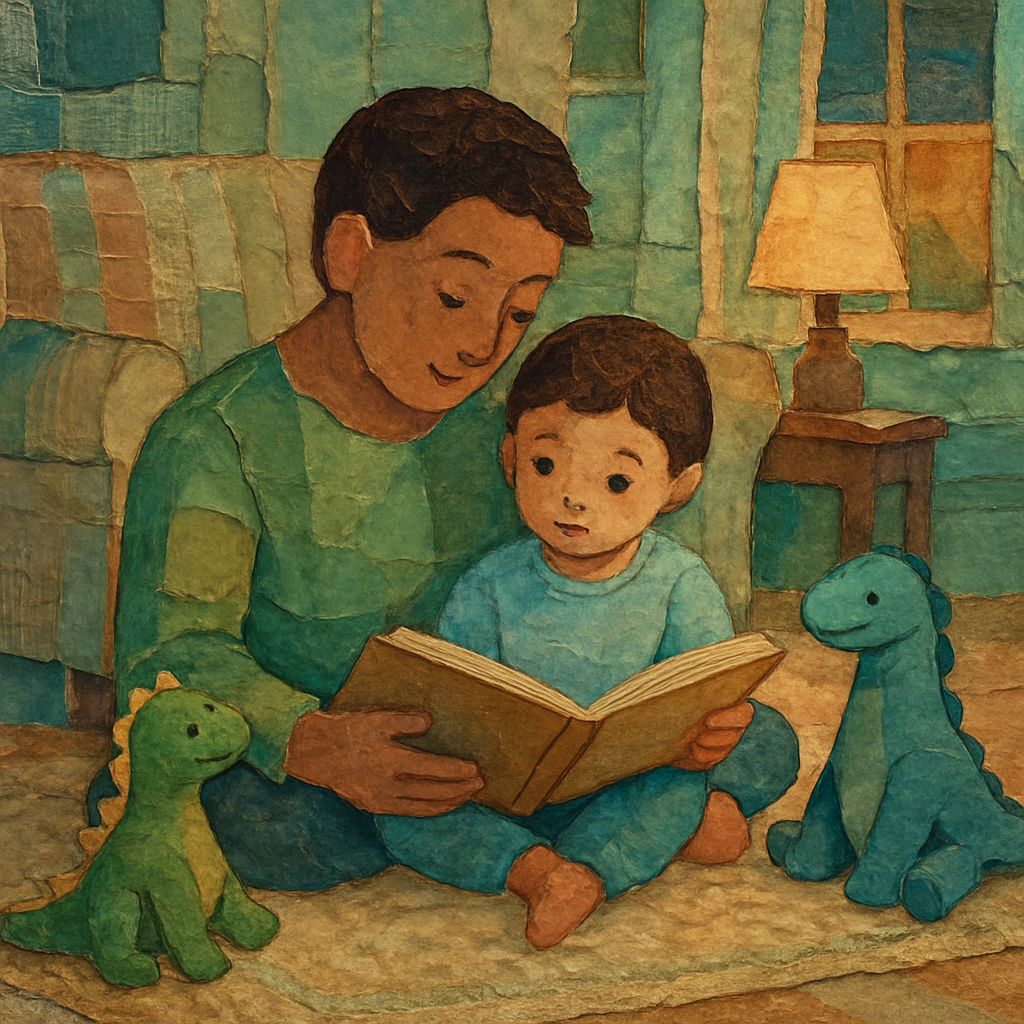
Quick Take
- A great bedtime ritual grows from familiar comfort and new discoveries.
- Dinosaur bedtime story ideas can spark curiosity, empathy, and language skills.
- You don’t need big-name characters to captivate a child; thoughtful storytelling works just as well.
Engaging Introduction
I remember a night not long ago when my seven-year-old asked for a dinosaur bedtime story that wasn’t about the usual giants with teeth and thunderous roars. We landed on a little green ankylosaur named Nora who collects stars and shares snacks with her friends. The moment my kiddo leaned in, I realized something important: kids crave freshness. Beyond Disney, there’s a whole spectrum of dinosaur characters waiting to be discovered—d reactive, funny, brave, and kind in their own tiny, imperfect ways. In this article, we’ll explore how to cultivate a rich set of dinosaur bedtime stories that feels fresh, credible, and incredibly comforting at night.
As a parent and psychologist, I see bedtime as a window into connection. Stories aren’t just entertainment; they’re rehearsal spaces for emotion, language, and problem-solving. The goal isn’t to replace favorite characters but to broaden the cultural buffet our little ones dine on at bedtime. Let’s talk about practical ways to introduce new dinosaur friends who teach resilience, empathy, and curiosity, without losing the warmth that makes bedtime feel safe.
Why the Character Space Matters
A good bedtime story does more than entertain. It models emotional regulation, invites perspective-taking, and strengthens memory for daily routines. When we introduce new dinosaur characters, we give our children language for feelings like excitement, worry, or relief—and we show that differences in size, color, or plate of scales don’t determine value. This matters, because kids often mirror the stories they hear in how they treat others and themselves.
How to Introduce New Dinosaur Friends
1) Create a Simple, Relatable Trait First
Concise, concrete traits help kids latch on quickly. Think Nora the star-collecting ankylosaur, a shy herbivore who loves patterns, or Rex the thoughtful velociraptor who quietly coaches his friends through tricky puzzles. These attributes become touchpoints your child can reference during the night and in daytime play.
- Why it matters: Clear traits anchor memory and language development. Kids can summarize who the character is in one sentence, which reinforces narrative comprehension.
- Quick takeaway: Start with one anchor trait and let it color the story, not overwhelm it.
2) Build Small Conflicts with Kind Solutions
Conflict doesn’t have to be loud or scary. A character can misplace a shell, forget a scavenger hunt clue, or misread a map. The resolution should emphasize collaboration and gentle problem-solving rather than fear. For example, Nora learns to ask a friend for help finding a star-marked rock, and the team success feels shared, not heroic alone.
- Why it matters: Children learn cooperation and perspective-taking through collaborative problem-solving.
- Quick takeaway: Pair problem with a brief, workable solution that foregrounds cooperation.
3) Use Gentle, Non-Competitive Stakes
Old-school dinosaur tales can feel like a race to roars and prizes. Instead, use stakes like “We need to finish the night’s story before the stars fade” or “We’ll collect kindness points by helping a friend.” This reframes competition into community.
- Why it matters: This supports prosocial development and reduces performance pressure at bedtime.
- Quick takeaway: Swap “beat others” with “support each other.”
4) Integrate Personal Details from Your Child’s Day
A line about your child placing a shell on Nora’s path or offering Rex a snack makes the story feel personal and memorable. It’s these small bridges between real life and fantasy that improve engagement and recall.
- Why it matters: Personalization strengthens bonding and makes nightly routines predictable and comforting.
- Quick takeaway: Add one small, real-world element per night without turning the story into a diary.
5) Fold in Conceptual Learning Without Sermons
Dinosaur bedtime stories can model curiosity about color, habitats, or simple science. A scene where Rex explores different plant-eaters helps kids classify ideas and build early science vocabulary.
- Why it matters: Early science exposure supports logical thinking and vocabulary growth.
- Quick takeaway: Choose one science concept per story and weave it into the adventure.
Sample Mini-Story Structure (A 10-Minute Read)
- Opening moment: Nora notices a constellations-sparkle in the night sky.
- Rising action: A small misstep—Nora misreads the map—leads to teamwork.
- Climax: The group finds the star-marked rock by listening to each other.
- Resolution: They celebrate by sharing a small snack and stories of their day.
Adapt this structure to your child’s age and attention span. The rhythm matters as much as the content: a calm pace, soft lighting, and your own warm voice carry the mood long after the page is closed.
The Accessibility of New Characters
Creating new characters doesn’t require a full cast overhaul. A handful of well-developed dinos—each with a distinct vibe—can populate several nights of storytelling without losing continuity. When your child asks for “the star-seeker Nora” again, you already know what makes her tick, how she talks, and what she values. That consistency is comforting at bedtime.
If you’re ever unsure, start by borrowing a trait from someone you know works well in stories—a dinosaur who loves sharing, or another who secretly loves quiet puzzles. It’s okay to experiment. The point is to expand your child’s imaginative landscape in a way that feels safe and genuinely engaging.
Quick Summary
- Fresh dinosaur characters can diversify bedtime storytelling while remaining comforting.
- Use simple, relatable traits, gentle conflicts, and cooperative solutions.
- Personal touches and light science concepts deepen engagement.
- Consistency and warmth from you matter more than elaborate plots.
FAQ (People Also Ask)
- What makes a good dinosaur bedtime story? A short, warm tale with a clear trait, a small problem solved by teamwork, and a comforting ending.
- How can I keep bedtime stories fresh without Disney characters? Introduce new dinos with unique charms, and rotate themes—curiosity, kindness, problem-solving.
- Why is personalization helpful at bedtime? It strengthens bonding and makes the story more memorable for your child.
- How long should a dinosaur bedtime story be for young kids? About 5–10 minutes, depending on attention span; end with a calm moment for reflection.
Age-Specific Variations
- Infants: Focus on rhythm, simple sounds, and gentle imagery.
- Toddlers: Short, repetitive motifs with a comforting bedtime cue.
- Preschoolers: A clear problem and cooperative solution; introduce 1 science concept.
- Early grade school: Richer dialogue, a few challenges, and more character diversity.
Personal Story/Case Study
A few months ago, I tried a new approach with my younger child. We created a mini-dino cast—a tiny brown stegosaurus who loves counting stars and a blue deltator who’s shy but brave. We spent a week with these two, gradually weaving in a simple problem and a solution that relied on listening to one another. By Friday, my child was eager to narrate the scene, filling in dialogue and adding tiny details about their day. It felt less like a performance and more like a shared evening ritual.
Encouraging Wrap-Up
bedtime is a quiet space where imagination stitches together the day’s threads. When we invite new dinosaur friends into the night, we invite our kids to explore, empathize, and grow at their own pace. You’re doing a thoughtful, important thing by choosing stories that honor your child’s curiosity while keeping the bedtime routine warm and predictable. Keep it gentle, keep it personal, and trust your instincts—you know your little one best.
(Note: Some parents find apps that help customize bedtime stories useful for fresh ideas and personalization. StoryGarden can be one option among many tools; use what fits your family’s rhythm and needs.)